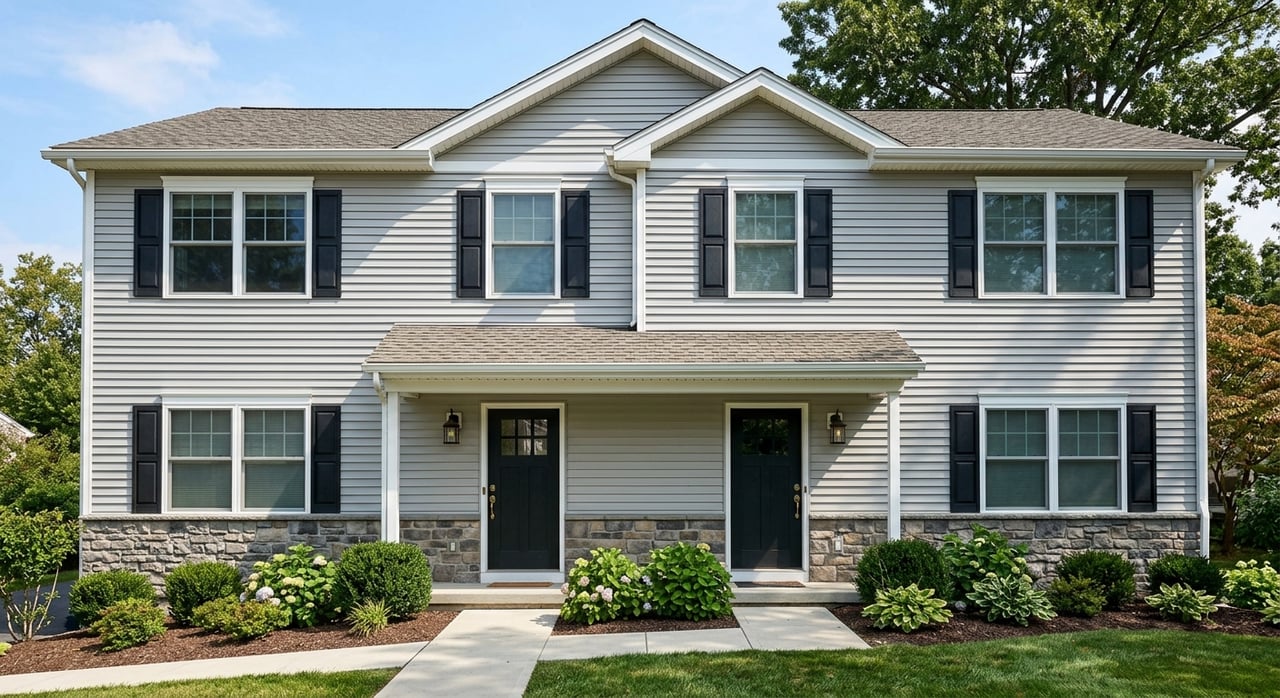
If you are thinking about buying your first rental in Northampton County, the opportunity can look promising at first glance, but the details matter. You want a property that fits your budget, attracts steady tenant demand, and does not surprise you with avoidable licensing or compliance issues after closing. This guide will help you understand the local rental landscape, the numbers worth watching, and the due diligence steps that can protect your investment. Let’s dive in.
Northampton County rental market basics
Northampton County is a large rental market with room for small investors who stay disciplined. The U.S. Census Bureau QuickFacts for Northampton County estimate 324,411 residents, 131,019 housing units, and 122,624 households as of July 1, 2025.
The county also has a 71.1% owner-occupied housing rate, which means renter-occupied housing makes up roughly 29% of occupied units by inference. For a small investor, that points to a meaningful rental base without suggesting an overly renter-dominated market.
Rent and income numbers also help frame the market. The same Census source reports a median gross rent of $1,395, a median household income of $89,184, and median selected monthly owner costs of $1,957 for homes with a mortgage. Those figures do not guarantee cash flow on any one property, but they do give you a starting point for screening deals.
Supply growth and competition
New supply matters because it can affect rent growth, tenant options, and how quickly your unit leases. Northampton County reported 546 building permits in 2024, according to Census QuickFacts.
That level of construction suggests some new competition is entering the market, but not at a pace that automatically crowds out smaller landlords. In practical terms, a well-located, well-maintained, code-compliant rental may still compete effectively if your pricing and operations are solid.
Property types small investors should expect
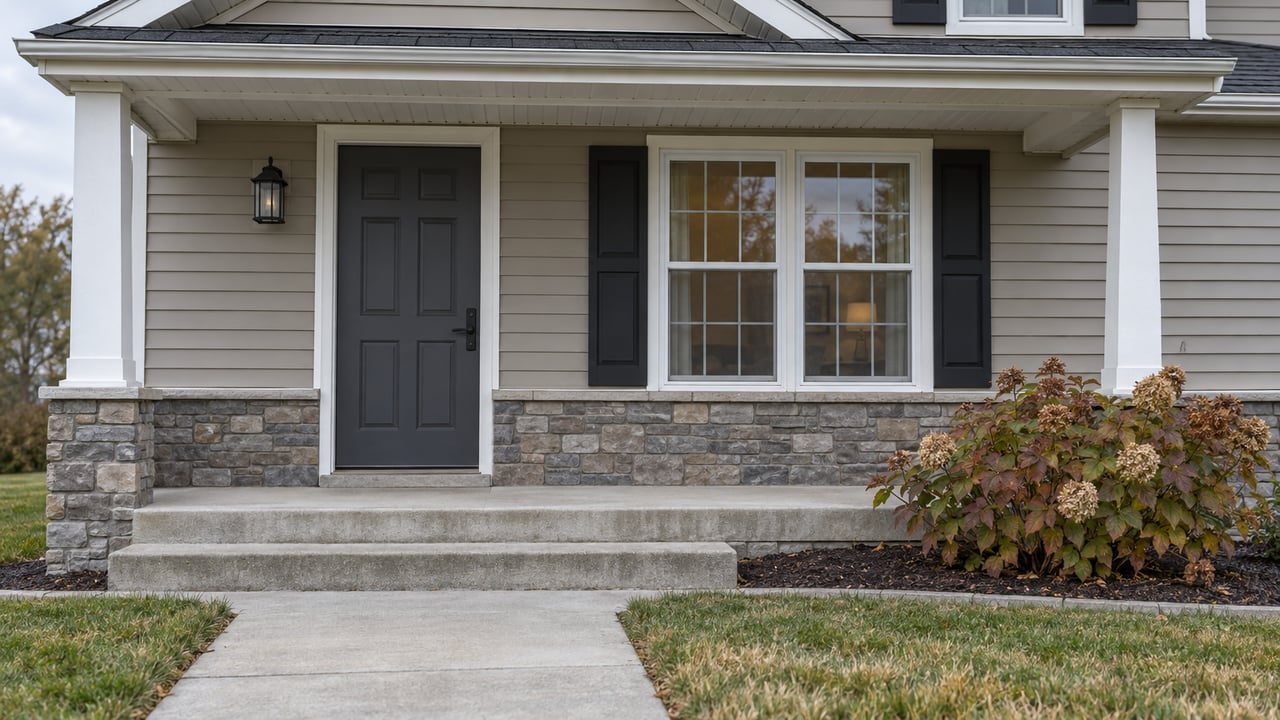
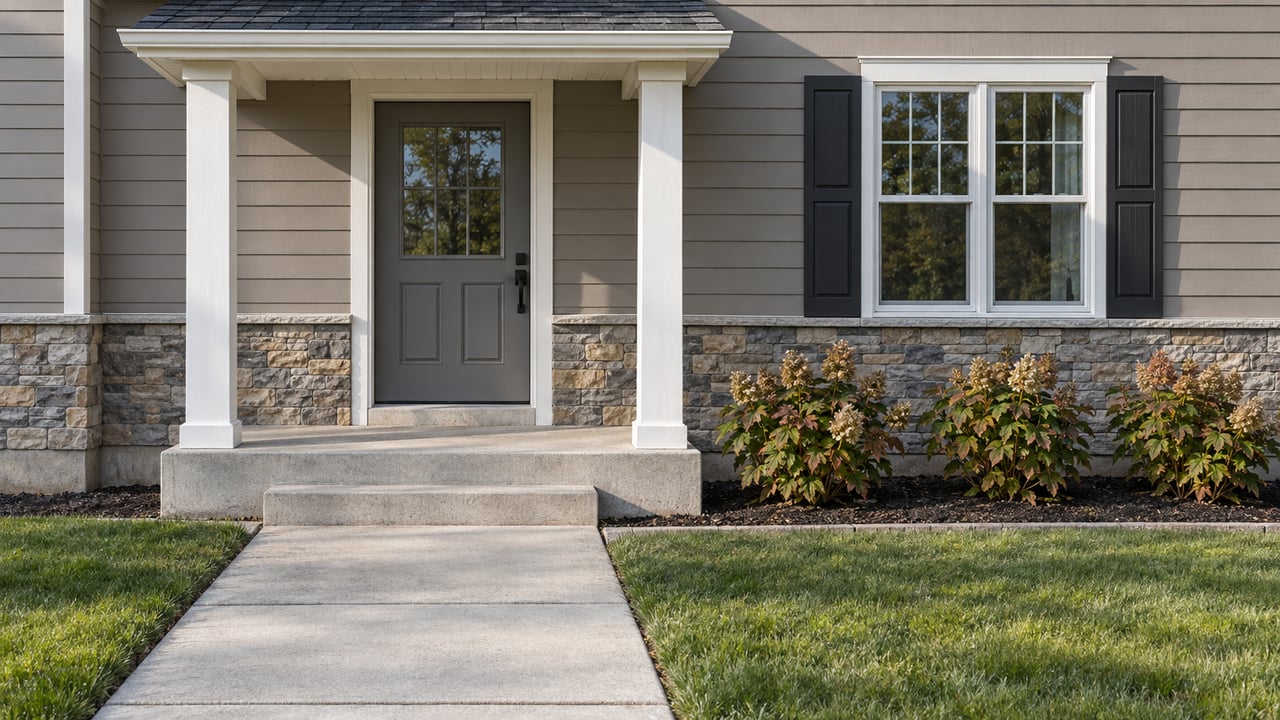
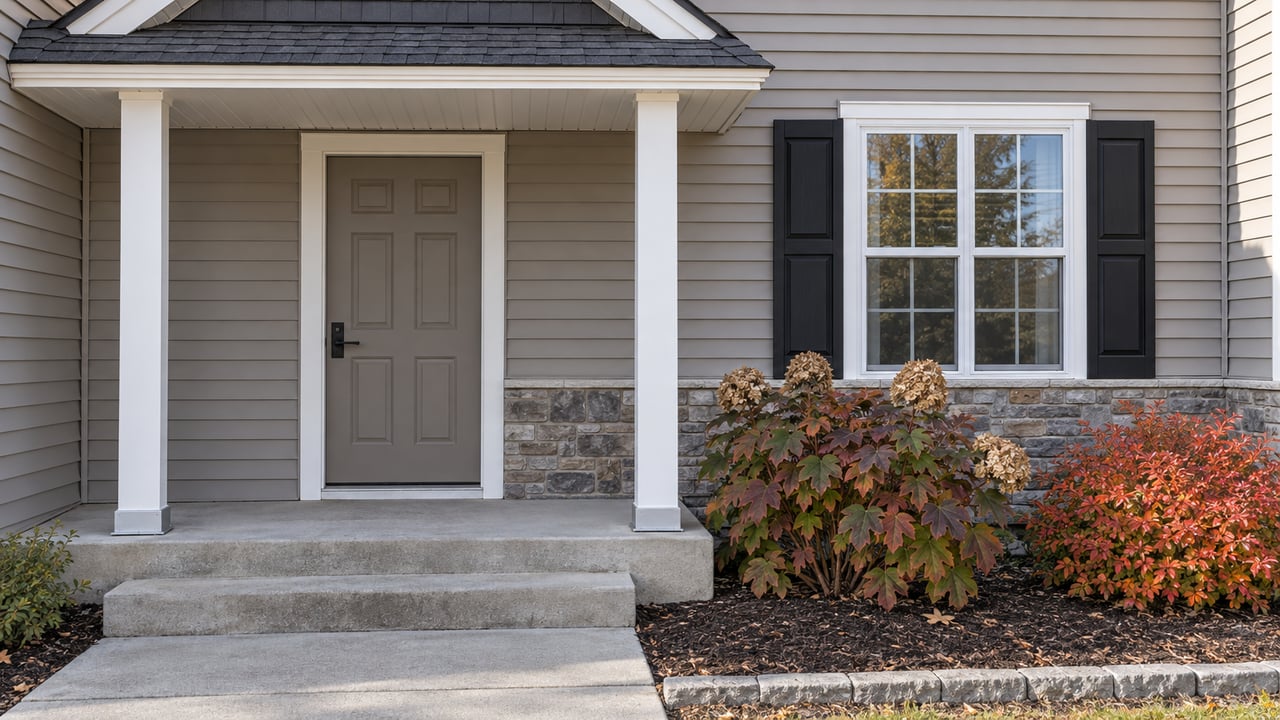
Northampton County is best viewed as a mixed rental market. Based on the county’s housing profile and the way local rules vary by municipality, the practical inventory is likely to include:
- Detached single-family homes
- Attached homes and townhomes
- Duplexes
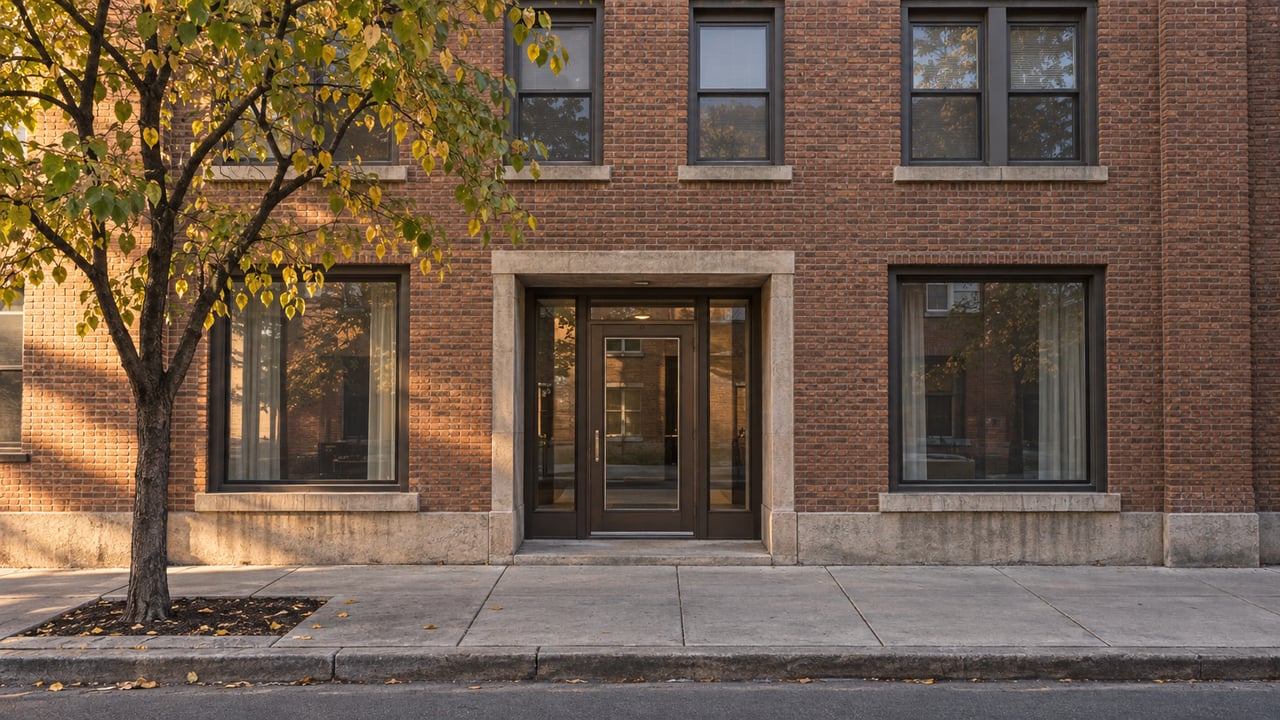
- Small apartment buildings
That matters because your strategy should match the property type. A single-family rental may appeal to one kind of tenant and offer simpler management, while a duplex or small multifamily may spread vacancy risk across more than one unit.
Denser rental activity is more likely in city and borough settings. That makes local due diligence especially important, because the rules for a property in one municipality may not match the rules for a similar property a few miles away.
Why tenants rent in Northampton County
A healthy rental market usually starts with jobs and everyday convenience. Northampton County had 6,529 employer establishments and 121,192 jobs in 2023, according to the U.S. Census Bureau.
The county also posted large 2022 receipts in health care and social assistance, retail trade, transportation and warehousing, and accommodation and food services. Those sectors point to a broad employment base rather than dependence on just one industry.
At the regional level, the Lehigh Valley Economic Development Corporation describes the Lehigh Valley as a region it markets to attract, retain, and expand businesses and jobs in Lehigh and Northampton counties. For you as an investor, that broader economic context can support rental demand over time.
Demographics that shape rental demand
Tenant demand is not driven by jobs alone. Northampton County’s demographic profile suggests a broad renter pool with different housing needs and budgets.
The Census data shows a 42.2 median age, an 8.7% foreign-born population, a 27.0-minute mean commute, and 15.0% of residents age 5 and older speaking a language other than English at home. Those figures suggest a market that may support workforce rentals, downsizer rentals, and lower-maintenance housing options.
For a small investor, the takeaway is simple: avoid building your plan around one narrow tenant profile unless the property clearly supports it. Flexible layouts, durable finishes, and straightforward management can help you serve a wider renter audience.
Bethlehem and Easton rules to watch
Municipal rules can make or break your investment timeline and operating costs. This is especially true in Northampton County, where rental regulation is handled locally, not just at the state level.
In Bethlehem, the city requires annual licensing for residential rental units and uses a three-year inspection cycle. Bethlehem also applies separate treatment to rooming houses and certain student or unrelated-occupant rentals, according to the city’s Housing Inspections guidance.
In Easton, the city requires rental registration and licensing. The city’s guidance states that the license year runs from August 15 to August 14, and rental licensing is tied to business-license and tax-compliance requirements.
These examples show why countywide averages are only part of the story. Before you buy, you need to know the specific municipality, the property’s current use, and any local licensing, inspection, occupancy, tax, or administrative steps required to legally operate the rental.
Pennsylvania lease rules every investor should know
Even if local rules vary, Pennsylvania landlord-tenant law still sets the statewide baseline. Your lease package and security-deposit process should reflect those rules from day one.
According to Pennsylvania law, oral or written leases are allowed for terms of three years or less. Leases longer than three years must be in writing and signed, as outlined in the Pennsylvania Landlord and Tenant Act.
Security-deposit rules matter just as much. For residential leases, the cap is two months’ rent during the first year and one month’s rent during the second year and beyond. If the deposit exceeds $100, it must be held in escrow after the second anniversary of the deposit, and landlords must provide a written damages list within 30 days after lease termination or surrender.
Notice requirements are also worth understanding before you become a landlord. Pennsylvania’s general notice-to-quit rules require:
- 15 days for a lease of one year or less or an indeterminate term
- 30 days for a lease longer than one year
- 10 days for nonpayment of rent
These are not details to figure out after you find a tenant. Standardized lease language, clear move-in documentation, and a consistent deposit-handling process can reduce risk and help you operate more smoothly.
A smart due diligence checklist
If you are buying your first or next rental in Northampton County, due diligence should go beyond price, taxes, and estimated rent. You also need to confirm that the property can be used the way you intend.
A practical pre-purchase checklist includes:
- Confirm the exact municipality where the property is located
- Verify whether rental licensing or inspections are required
- Check whether occupancy limits or special use rules apply
- Review whether student-housing or rooming-house rules are relevant
- Make sure local tax and utility requirements are satisfied
- Have a local broker or attorney review the lease package and compliance steps
The county’s Department of Community and Economic Development page also references a 2024-2028 Analysis of Impediments to Fair Housing Choice. That is a good reminder that fair housing compliance should be part of your due diligence and everyday operations.
How small investors can stay disciplined
The best rental investments are often the ones that look ordinary on paper but work well in real life. In Northampton County, that usually means paying close attention to local rules, realistic rent expectations, and the type of tenant demand a property is most likely to attract.
It can help to focus on properties that are easier to lease and easier to maintain. A clean, functional layout, manageable maintenance profile, and clear compliance path may serve you better than chasing a more complicated deal with too many unknowns.
If you want help evaluating a small rental, comparing property types, or understanding how a specific location fits your goals, Cass Chies offers the kind of local, hands-on guidance that can help you make a more confident move.
FAQs
What is the average rent context for rentals in Northampton County?
- The U.S. Census Bureau QuickFacts reports a median gross rent of $1,395 in Northampton County.
What lease rules apply to rental properties in Pennsylvania?
- Pennsylvania allows oral or written leases for terms of three years or less, while leases longer than three years must be written and signed, according to the Pennsylvania Landlord and Tenant Act.
What security-deposit limits apply to Pennsylvania rentals?
- For residential leases, the security-deposit cap is two months’ rent in year one and one month’s rent in year two and beyond, based on the state law.
What rental licensing rules should investors check in Bethlehem?
- Bethlehem requires annual rental licensing and uses a three-year inspection cycle, according to the city’s Housing Inspections page.
What rental licensing rules should investors check in Easton?
- Easton requires rental registration and licensing, and the city states that the license year runs from August 15 to August 14.
What should small investors verify before buying a rental in Northampton County?
- You should confirm the municipality, verify licensing and inspection requirements, review occupancy-related rules, and check local tax or utility requirements before closing.