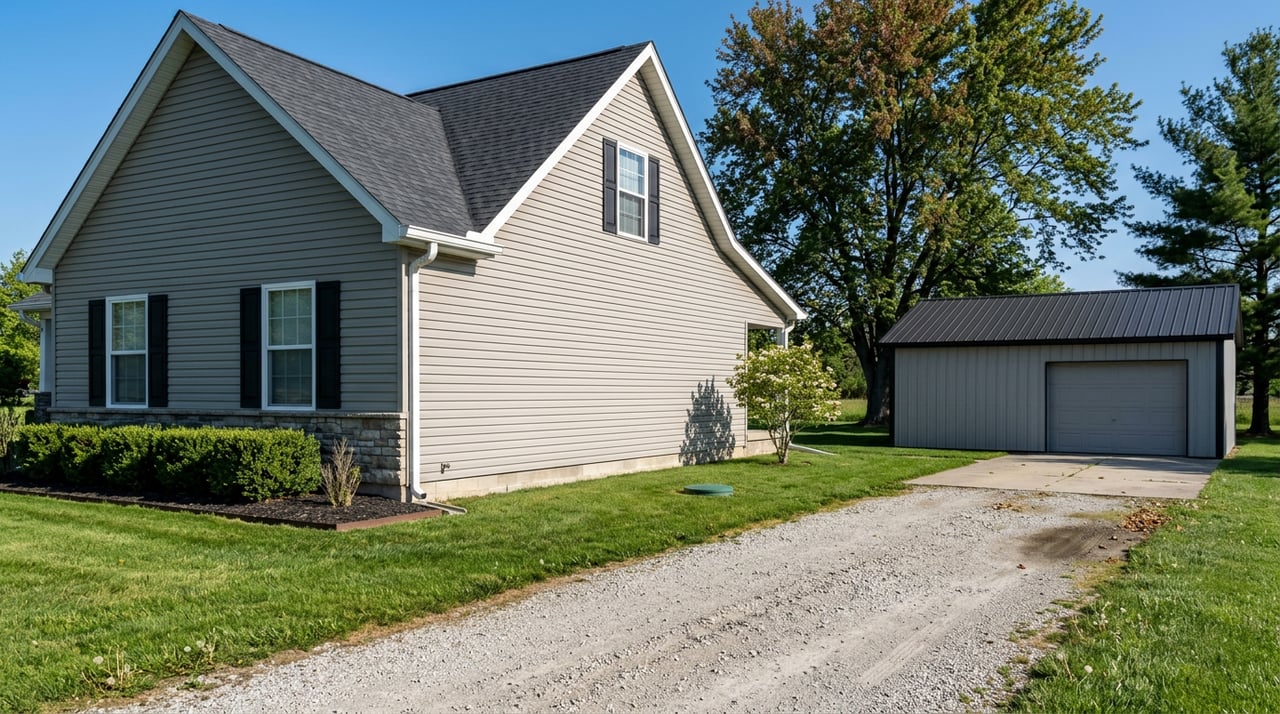
Craving more elbow room, quieter nights, and starlit skies? If you’re eyeing Kunkletown for its space and slower pace, you also want a clear picture of rural living details like wells, septic, roads, and utilities. The good news is you can enjoy the best of country life with the right prep. In this guide, you’ll learn the essentials of buying in Kunkletown so you can plan, budget, and write a strong offer with confidence. Let’s dive in.
Kunkletown at a glance
Kunkletown sits in Eldred Township in Monroe County within the Poconos. It offers a small-village feel with wooded hills, fields, and a mix of older homes and newer builds. You get a quieter setting than nearby boroughs yet still reach key services within a reasonable drive when you plan ahead.
Commute and access basics
Typical drive times vary by route, traffic, and weather. As a planning guide, expect about 40 to 60 minutes to Allentown under normal conditions, which aligns with the distance between Kunkletown and Allentown shown by Travelmath’s driving calculator. For occasional trips to New York City, many residents use intercity buses from nearby park and ride locations with schedules around 2 to 3 hours; you can compare options through Rome2rio’s Kunkletown to New York page. Always check live directions and bus schedules before you go.
- Reference distances and options:
- Review approximate Allentown drive distances through the Travelmath tool.
- Explore Kunkletown to NYC routes and bus options on Rome2rio.
Travelmath’s Kunkletown to Allentown drive distance
Rome2rio’s Kunkletown to New York options
Land and zoning essentials
What lot sizes you’ll see
You’ll find a range of lot types in Kunkletown and Eldred Township. Closer to the village, lots may be smaller and established. Outside the center, many residential parcels are around an acre, and agricultural or wooded tracts can span several acres or more. Lot size on paper does not tell the whole story, so always verify your specific parcel details.
Zoning minimums and what they mean
Eldred Township’s zoning ordinance sets different minimum lot sizes by district. For most single-family homes with on-site well and septic, the minimum is commonly 1 acre in Rural Resource and Residential districts and 2 acres in Agricultural/Resource districts. The ordinance also recognizes nonconforming lots of record that may be smaller than current minimums. Keep in mind that meeting a minimum lot size does not guarantee buildability, since soil and site suitability for wells and septic drive what is possible.
- Check the rules directly in the Eldred Township zoning ordinance.
Eldred Township Zoning Ordinance (PDF)
Animals and small agricultural uses
Thinking about horses or hobby livestock? Private stables are allowed with conditions. The township typically requires at least 2 acres and limits horses per acre along with standards for stable construction. If you plan equestrian or other agricultural uses, review the ordinance and speak with the township before you write an offer.
- Confirm allowances and acreage in the ordinance.
Eldred Township Zoning Ordinance (PDF)
How to verify a parcel
Before you submit an offer, confirm zoning district, lot size, and boundaries. The Monroe County GIS and parcel map is the authoritative source for parcel lines, tax assessment, and property details. If anything is unclear, order a boundary survey to confirm setbacks, outbuilding locations, and shared driveways or easements.
- Look up parcel information in the county mapping tool.
Monroe County GIS and parcel resources
Wells and septic: what to know before you buy
Private wells 101
Many Kunkletown homes rely on private wells. Pennsylvania does not regulate private well construction and maintenance statewide, so the homeowner is responsible for testing and upkeep. The Pennsylvania Department of Environmental Protection recommends annual testing for basic safety, including total coliform bacteria and nitrates, and adding tests like iron, manganese, arsenic, radon, VOCs, or PFAS based on local land use or specific concerns. You should plan to test the well water before closing and review any past test records.
- Learn testing recommendations from the PA DEP factsheet.
PA DEP Private Well Water Factsheet
Septic systems, permits, and maintenance
On-lot sewage systems in Pennsylvania are permitted and enforced locally by certified Sewage Enforcement Officers. In Monroe County, site evaluations and permitting follow a defined process with application fees and required on-site work. If you plan to build or expand, a site evaluation and septic permit approval must be in place before a building permit is issued.
As for maintenance, state guidance recommends pumping and inspection on a regular schedule, commonly every 3 to 5 years depending on use. Pay attention to warning signs such as slow drains, odors, soggy areas, or surfacing effluent, and seek professional help right away if you notice them. Always request the system design, installation records, and recent pump-out history from the seller.
Review Monroe County’s onsite sewage process.
Monroe County Health Department: Onsite Sewage Inspections and PermitsSee DEP guidance on septic care and failure signs.
PA DEP Septic Systems Guidance
Smart offer contingencies to include
To protect your investment, build targeted contingencies into your offer:
- Home and septic inspections. Require a licensed home inspection plus a septic inspection by a qualified professional or SEO. Ask for pump-out and maintenance records.
- Well water testing. At minimum, test for total coliform, E. coli, nitrates, pH, and total dissolved solids. Add site-specific tests if the property history suggests them.
- Site evaluation if expanding. If you plan to add bedrooms or expand the footprint, make the offer contingent on a favorable soil and site evaluation and any necessary permit approvals.
- Survey and access clarity. Confirm boundaries, driveways, and any private road easements before closing.
Day-to-day rural living
Roads, snow, and access
Some Kunkletown homes sit on private roads or have long driveways. Maintenance and snow plowing for private roads are not the township’s responsibility unless a road is dedicated for public use. Ask the seller for any plowing or road maintenance agreements and confirm road ownership with Eldred Township. If the property is part of an HOA, request written details of winter service.
- Review local access standards in the zoning ordinance.
Eldred Township Zoning Ordinance (PDF)
Utilities and heating
Electric service in this region is commonly provided by PPL Electric Utilities. Natural gas is not universal on rural parcels, so many homes use propane or heating oil, sometimes paired with electric or wood. As part of due diligence, confirm the electric provider, whether natural gas is available, and how fuel is supplied. Ask if there is a propane tank lease or oil contract and request recent utility bills when possible.
- PPL Electric Utilities service information.
PPL Electric Utilities news and service area
Internet and cell service
Coverage varies address by address. Some areas have cable, while others rely on 5G home internet, fixed wireless, or satellite. Before you commit, check provider availability and speeds for the exact street address and ask the seller what they use today.
- Compare options with an availability checker.
InMyArea Internet Providers near Kunkletown
Trash, mail, and schools
Trash collection is often handled by private haulers. Mail service runs through the Kunkletown post office for ZIP code 18058. School assignment varies by parcel location, so it is best to review district maps or contact the local district office to confirm the correct assignment.
- Find local contacts in the county directory.
Monroe County Municipal Directory
Planning daily errands and care
Rural living means longer drives to some errands, so plan grocery runs and appointments ahead. Many residents make weekly trips to nearby commercial areas like Stroudsburg or Bartonsville. For urgent care and hospital access, Lehigh Valley Hospital–Pocono in East Stroudsburg is a common destination. Build seasonal considerations into your routine, especially in winter.
Buyer checklist for Kunkletown
Use this quick checklist as you tour properties and prepare offers:
- Confirm zoning and lot status. Identify the zoning district and minimum lot size. Ask whether the parcel is a nonconforming lot of record and review setbacks and lot coverage limits.
- Verify parcel data. Pull the county GIS for legal lot size, parcel boundaries, and tax assessment. Order a boundary survey if anything is unclear.
- Septic due diligence. Request system design records, installation paperwork, and pump-out history. Schedule a licensed septic inspection and involve the SEO if you see any red flags.
- Well water testing. Order a basic safety panel before closing and add site-specific tests based on the property’s history and location.
- Road and driveway maintenance. Ask for written snow-plow and road maintenance agreements. Confirm who pays and who performs the work.
- Utilities and services check. Identify the electric provider, confirm if natural gas is available, and clarify propane or oil supply arrangements. Check internet availability and cell coverage at the exact address.
- Future plans review. If you plan to add bedrooms, build an outbuilding, or keep horses, verify requirements with Eldred Township and set the right contingencies in your offer.
Your path to a confident purchase
Buying in Kunkletown gives you space, privacy, and a closer connection to the outdoors. With a little extra homework on wells, septic, roads, and utilities, you can avoid surprises and enjoy the lifestyle you want. If you want step-by-step guidance, local context, and a steady advocate from offer to closing, reach out. Cass Chies is ready to help you navigate every detail with clear communication and a plan tailored to your goals.
FAQs
How long is the commute from Kunkletown to Allentown or NYC?
- Under typical conditions, many drives to Allentown take about 40 to 60 minutes, and bus routes to New York City often run 2 to 3 hours. Always check live mapping and bus schedules before you go.
How often should a Monroe County homeowner pump a septic tank?
- State guidance recommends septic pumping and inspection on a routine schedule, commonly every 3 to 5 years depending on household size and use.
What well water tests should a Kunkletown buyer order before closing?
- At minimum, test for total coliform, E. coli, nitrates, pH, and total dissolved solids, then add site-specific tests like iron, manganese, arsenic, radon, VOCs, or PFAS based on the property’s history.
Can I keep horses on my Kunkletown property?
- Private stables are permitted with conditions, including a typical minimum of at least 2 acres and limits on horses per acre. Confirm the details with Eldred Township before you make an offer.
Who maintains private roads and long driveways in Eldred Township?
- Maintenance and snow plowing for private roads are usually the responsibility of owners or an HOA, not the township. Ask for written plowing and maintenance agreements and confirm road ownership with the township.