If you are selling a home in Carbon County, one of the biggest mistakes you can make is treating the whole county like one market. It is not. Pricing, preparation, and buyer expectations can shift from one town or neighborhood to the next, which is why local expertise can make such a big difference in your final sale price and overall experience. In this guide, you will learn how to approach pricing, prep your home, market it effectively, and navigate offers with a strategy built for Carbon County. Let’s dive in.
Why local expertise matters in Carbon County
Carbon County works best as a collection of micro-markets, not a single, countywide market. Countywide data can give you a useful snapshot, but it should not be the only thing guiding your selling strategy. The Carbon County Assessment Office notes that residential market value is based on comparable sales and market conditions in different parts of the county, which is exactly why local comps matter.
That point becomes even clearer when you look at current housing data. In March 2026, Redfin reported a median sale price of $313,000, 67 median days on market, and a 97.2% sale-to-list ratio. Realtor.com described the county as balanced, with a median listing price of $354,900 and homes selling about 1.75% below asking on average, while Zillow reported different figures based on its own methodology and time frame.
The takeaway is simple: these numbers are helpful directionally, but they are not interchangeable. If you price your home based only on a broad county average, you risk missing the mark. A local strategy should start with the most relevant recent comparable sales for your area, property type, condition, and features.
Price for your market, not the county average
Pricing is one of the most important decisions you will make before your home goes live. In a balanced market, buyers tend to be careful and comparison-driven, which means overpricing can limit early interest. Underpricing without a plan can also leave money on the table.
Current Carbon County trackers suggest that pricing discipline matters. Redfin reported a 97.2% sale-to-list ratio, Realtor.com reported about 98%, and Zillow reported a 0.964 median sale-to-list ratio. That tells you many homes are selling close to list price, but not necessarily at full ask.
At the same time, Redfin found that 22.5% of homes sold above list in March 2026. That is a strong reminder that the best-prepared and best-positioned listings can outperform the county average. In other words, the goal is not just to pick a number. The goal is to pick a number that fits your local competition and supports the kind of response you want from buyers.
What smart pricing looks like
A strong local pricing strategy usually includes:
- Reviewing recent comparable sales near your home
- Comparing active competition buyers will see today
- Adjusting for condition, updates, lot, layout, and property type
- Looking at current days on market and buyer pace in your area
- Balancing your ideal price with your timeline and net goals
This is where a local broker-owner perspective can be especially valuable. When you work with someone who knows Carbon County’s different pockets and property types, you get pricing guidance grounded in what buyers are actually responding to now.
Focus your prep on high-impact updates
Before listing, it is easy to wonder where to spend money. Some updates help your home show better right away, while others may not deliver the return you expect before a sale. A practical prep plan starts by separating cosmetic refreshes from major improvements.
According to the Carbon County Assessment Office, normal maintenance such as painting, roof replacement, siding, paving, and fencing typically does not raise assessment. By contrast, additions, finished basements or attics, extra bathrooms, porches, decks, patios, garages, and permanent outbuildings can increase assessment and may also affect resale value.
For sellers, that means simple work often makes sense when it improves presentation without turning into an oversized project. Clean paint, basic repairs, tidy exterior spaces, and a well-maintained appearance can help buyers feel more confident. Bigger projects that add usable space or permanently change the property should be weighed more carefully against your likely return and timeline.
Prep priorities before you list
Consider focusing on:
- Decluttering and deep cleaning
- Touch-up paint and basic cosmetic refreshes
- Minor repairs you already know about
- Exterior cleanup for a strong first impression
- Simple staging to help rooms feel open and functional
This kind of prep matters because today’s buyers often form their first impression online.
Disclosures matter more than many sellers expect
Pennsylvania law requires sellers to disclose known material defects. The state seller disclosure form covers a wide range of topics, including roof issues, basements and crawl spaces, pests, structural concerns, additions or remodeling, water and sewage systems, plumbing, heating and cooling, electrical systems, appliances, drainage, boundaries, hazardous substances, HOA or condominium matters, and title or legal issues.
The key standard is what you know. Sellers do not have to investigate beyond their actual knowledge, but they cannot knowingly leave out a known material defect. That makes honesty and organization essential from the beginning of the listing process.
A good local selling strategy does not treat disclosures as a last-minute form. It treats them as part of building a smoother transaction. Accurate disclosures can reduce surprises, support better buyer confidence, and help avoid problems once inspections and negotiations begin.
Online presentation drives real buyer interest
Most buyers start online, and that shapes how your listing should be marketed. According to NAR research, 43% of buyers began their search on the internet, and 51% ultimately found their home through online searches. Buyers also said photos, detailed property information, and floor plans were among the most useful website features.
That means your listing needs more than a quick upload and a few snapshots. It should be built to stand out where buyers are actually looking. Strong photos, clear property details, and a thoughtful presentation can increase the odds that buyers decide to schedule a showing.
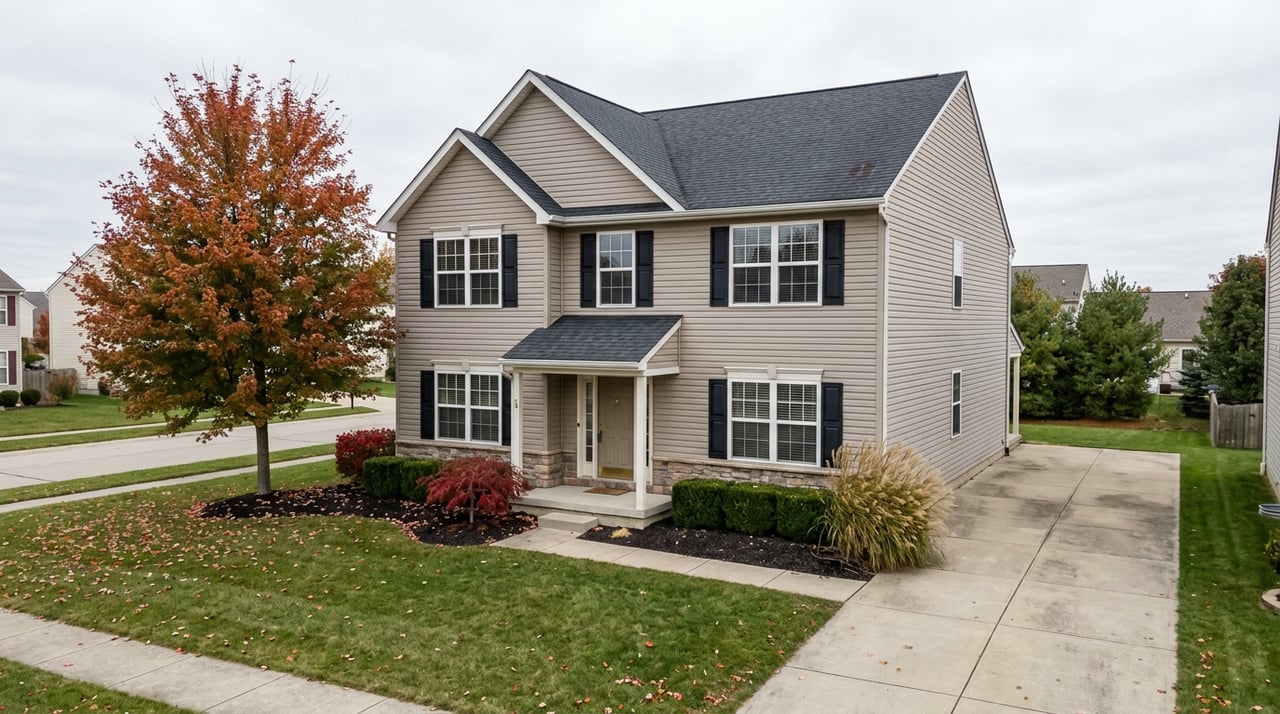
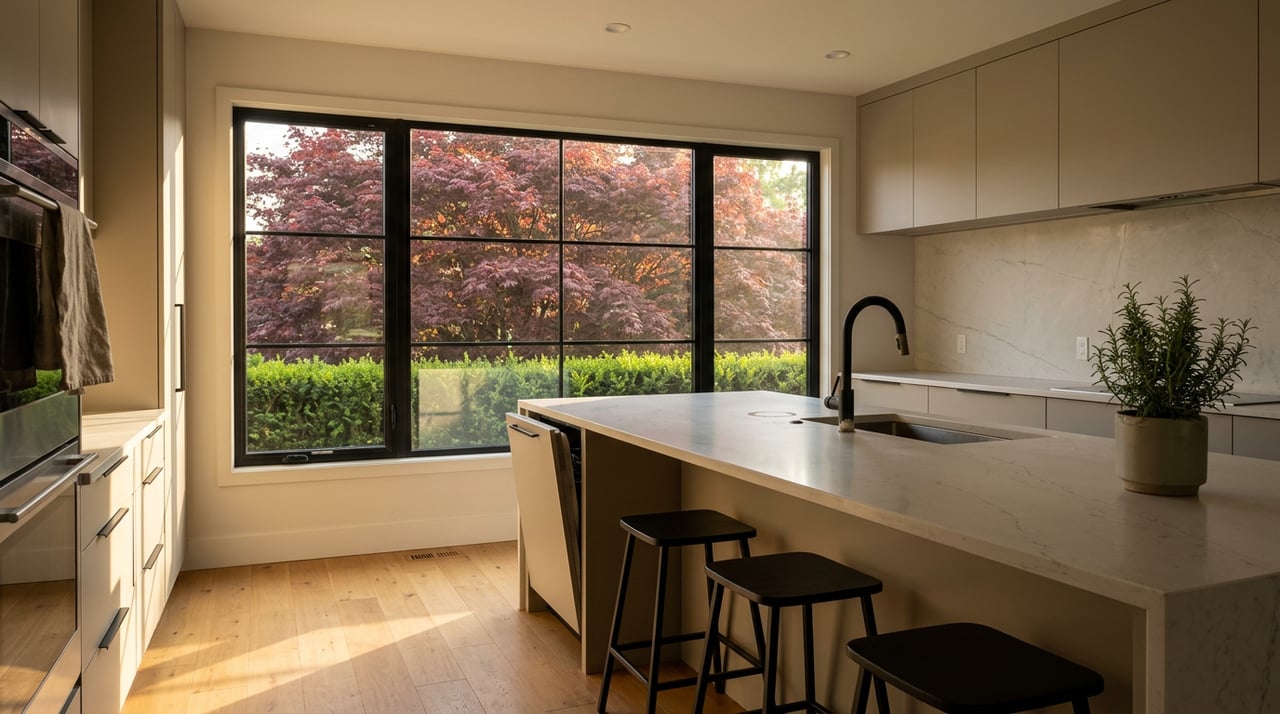
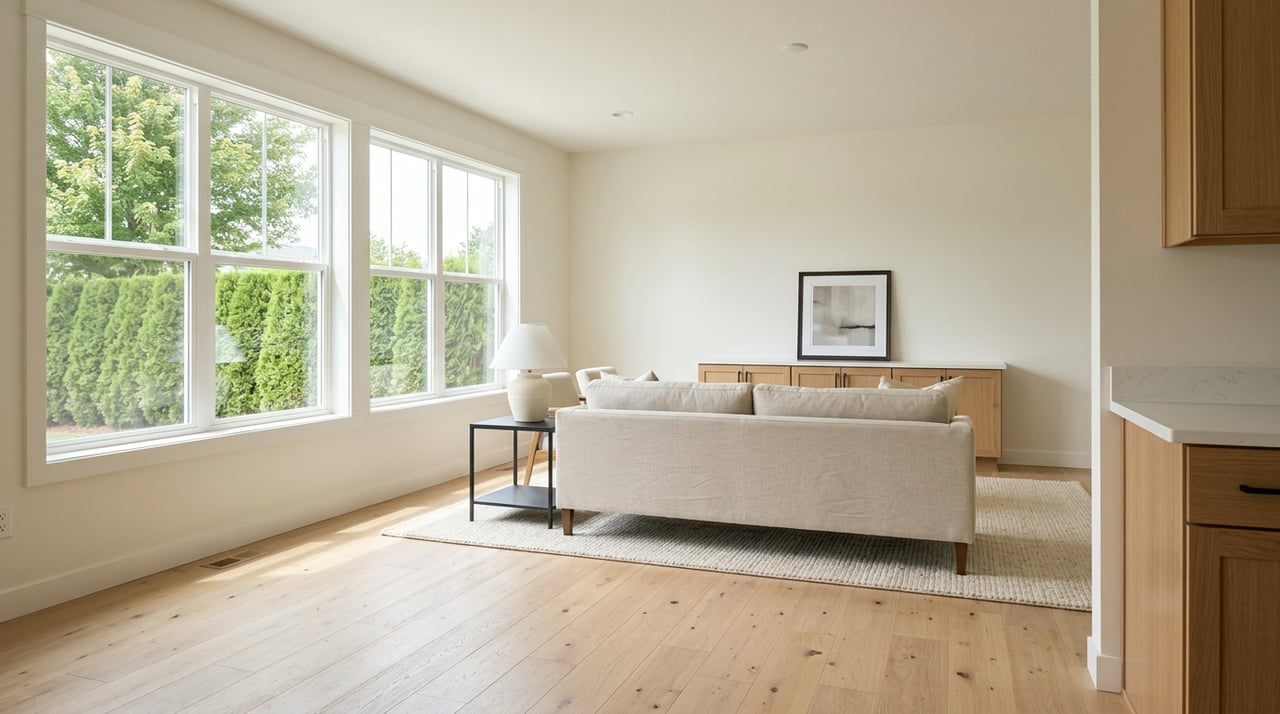
NAR’s home-staging research adds another important point. Most buyers’ agents said staging makes it easier for buyers to visualize a home, and buyers are more willing to walk through homes they saw online when the presentation is strong. In a market where first impressions often happen on a screen, photo-forward marketing is one of the most effective tools you have.
Why MLS exposure still matters
MLS distribution remains a major part of seller marketing. NAR notes that MLSs compile listings from brokerages and help distribute that information broadly to local and national websites. For you as a seller, that means wider exposure and a better chance of reaching qualified buyers.
For a Carbon County home, broad distribution works best when it is paired with local positioning. That includes accurate pricing, strong photos, complete property details, and listing copy that highlights the home’s livability, setting, and everyday appeal.
What buyers are really looking for
When buyers compare homes, they are not just comparing square footage and bedroom count. NAR’s 2025 seller report found that neighborhood quality and convenience to friends and family ranked ahead of convenience to a job. That means listing presentation should speak to how the home lives day to day, not only where it sits on a map.
For sellers in Carbon County, that may mean highlighting practical features like outdoor space, storage, updates, layout flow, or ease of daily living. It also means showing the property in its best light, both literally and strategically, so buyers can picture themselves there.
Open houses can still play a role, but they are usually not the main driver. NAR’s 2024 survey found that only 23% of buyers rated open houses as very useful. In most cases, your highest-impact priorities are still pricing, preparation, online presentation, and easy showing access.
Be ready for questions, counters, and paperwork
Once your home is live, the process usually becomes more interactive than many sellers expect. Buyers often spend weeks searching, comparing options, and asking detailed questions before they commit. Offers may include contingencies, requests, timelines, and room for negotiation.
NAR’s 2025 report found that buyers wanted the most help with finding the right home, negotiating terms, handling price negotiations, and completing paperwork. On the seller side, that means you should expect a process that involves counters, repair discussions, documentation, and decision points rather than a simple yes-or-no offer.
Local guidance matters here too. A responsive, hands-on approach can help you weigh offer strength, timing, financing, and likely next steps, not just headline price. That is especially important if your priorities include a smooth closing, a firm timeline, or a clear understanding of your net proceeds.
Understand local closing costs and property details
Selling a home is not only about list price. Your net matters too. Pennsylvania imposes a 1% realty transfer tax, often collected along with any additional local transfer tax by county recorders of deeds.
Carbon County also uses separate county, township or borough, and school taxing districts. Because of that, local title professionals should confirm prorations and estimated net proceeds before your home goes live. This step can help you avoid surprises and make more informed decisions when offers start coming in.
If you are selling a manufactured or mobile home, local details become even more important. Carbon County says this type of property is taxable as real estate when connected to water, gas, electric, or sewer, and a permit is required to move it within the borough or township. For these properties, title, location, and logistics should be handled carefully from the start.
Why a relationship-first approach helps sellers
For many homeowners, selling is not something they do often. NAR reports that the typical seller had owned their home for 11 years before selling. That helps explain why so many sellers value clear communication, predictable steps, and a steady advocate during the process.
This is where local expertise becomes more than a slogan. It means having someone who understands Carbon County pricing, Pennsylvania disclosure requirements, and the kind of marketing that gets your home in front of serious buyers. It also means having direct access to a professional who can guide you through strategy, negotiation, and follow-through from start to finish.
When your sale involves more than a sign in the yard, local knowledge can protect your time, your stress level, and your bottom line. If you are thinking about your next move in Carbon County, Cass Chies offers the kind of high-touch, locally grounded guidance that helps you sell with confidence.
FAQs
How should you price a home in Carbon County?
- You should price your home using recent local comparable sales, current competition, property condition, and neighborhood-level market activity rather than relying only on countywide averages.
What disclosures are required when selling a home in Pennsylvania?
- Pennsylvania sellers must disclose known material defects on the state seller disclosure form, including issues related to the roof, structure, systems, water, sewage, drainage, boundaries, and other material property conditions.
What home updates matter most before listing in Carbon County?
- Cosmetic improvements like cleaning, decluttering, touch-up paint, and basic repairs often help presentation, while larger projects that add space or permanently change the property should be evaluated more carefully.
How important is online marketing when selling a Carbon County home?
- Online marketing is very important because many buyers start their search on the internet, and strong photos, detailed property information, floor plans, and MLS distribution can increase interest and showings.
What should sellers expect after receiving an offer in Carbon County?
- Sellers should expect questions, negotiations, possible repair requests, paperwork, and timing decisions, so it helps to have clear local guidance throughout the contract and closing process.