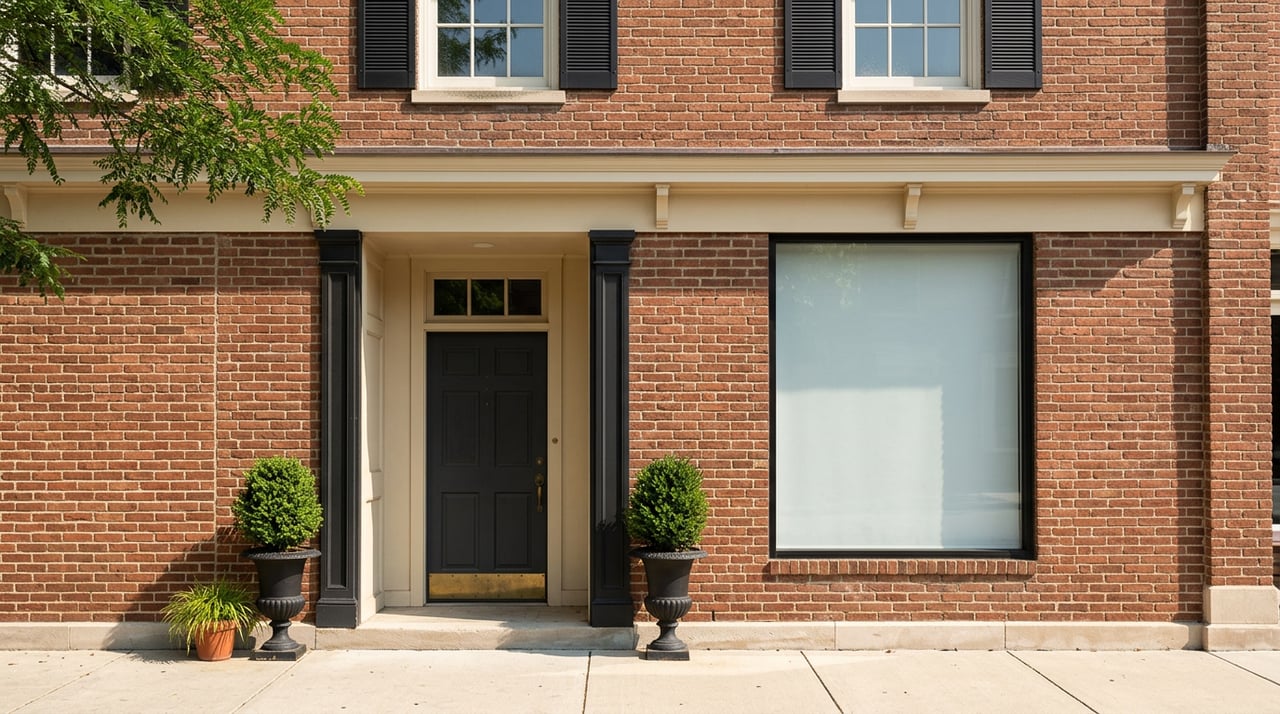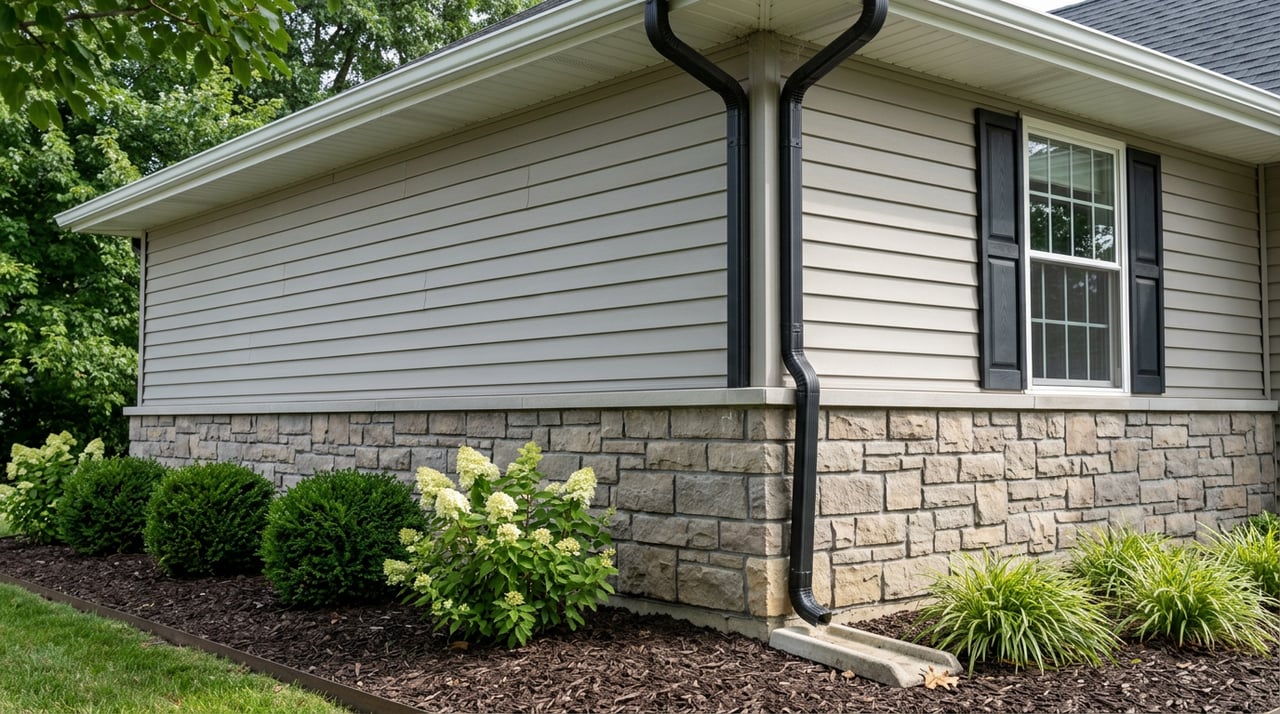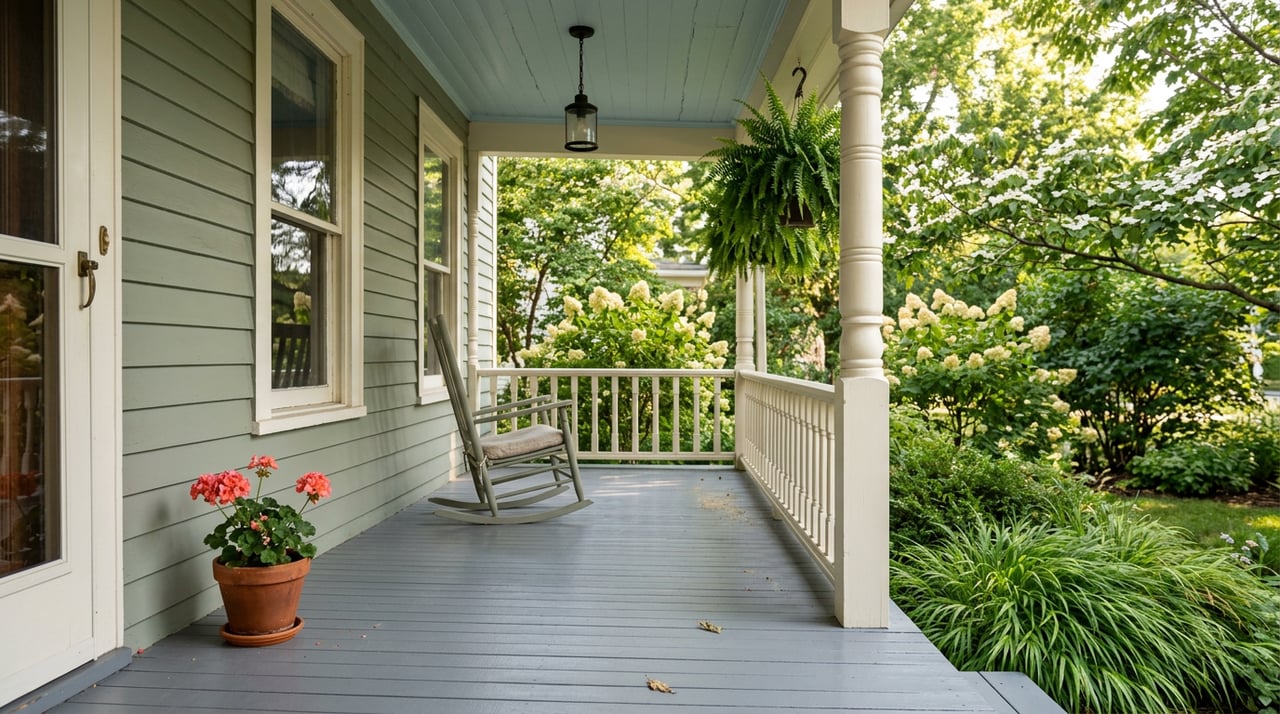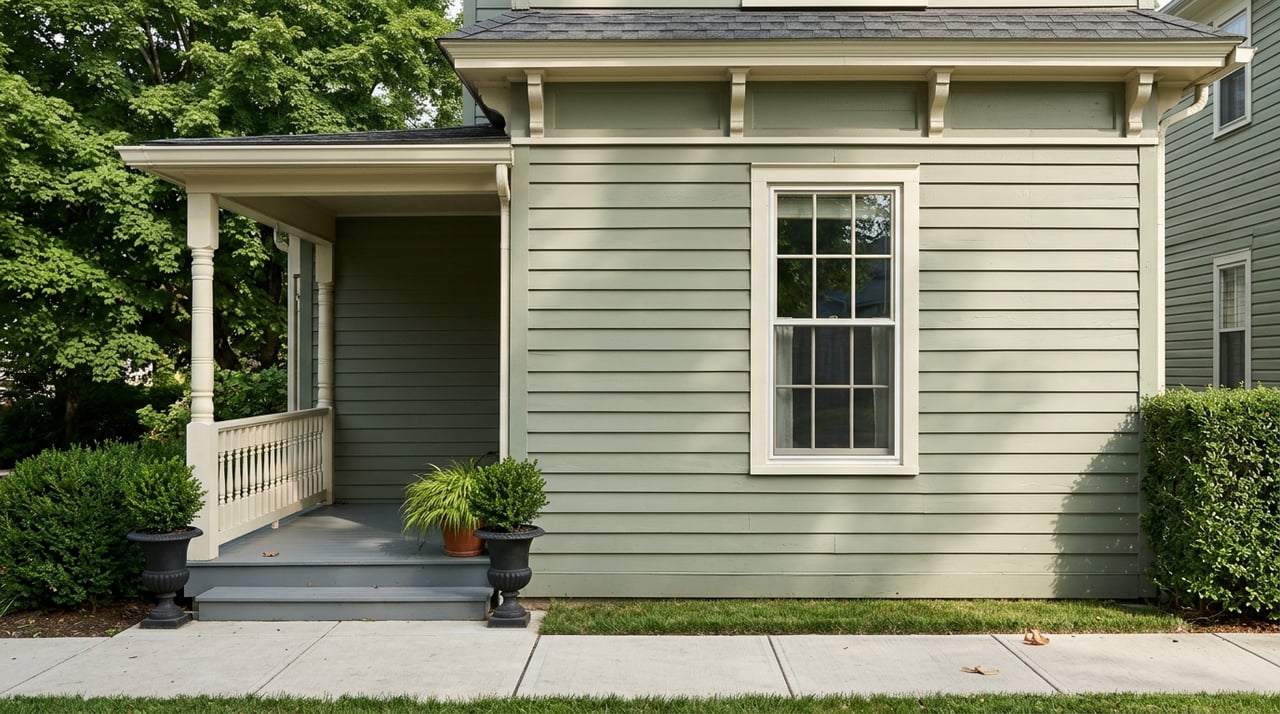
Two nearly identical Victorians sit three blocks apart in Jim Thorpe. Same bedroom count, same condition, same view of the ridge. One closes at a number the buyer can defend on rental income. The other, listed with the same "turnkey Airbnb" language, closes for meaningfully less once the buyer's attorney reads the borough's zoning map. The difference is not the house. It is Chapter 351.
If you are selling a home in Jim Thorpe on the strength of short-term rental income, or buying one and underwriting the price on that same income, the single most important document in the transaction is not the inspection report or the appraisal. It is the short-term rental permit, the zoning district it sits in, and the operating history behind it. That is where the price actually gets set.
The line in the ordinance that decides the price
Jim Thorpe Borough Council unanimously passed a short-term rental ordinance in March 2021 that regulates where future short-term rentals can be located and lists requirements both current and future owners need to meet. The ordinance was adopted as Ordinance No. 2021-02 on March 11, 2021 and lives in the borough code as Chapter 351.
The mechanism buyers keep missing: existing short-term rentals were grandfathered in terms of location, new rentals were restricted to the C1, C2, C3, R4 and special zoning districts with a required special exception process, and owners hoping to operate outside those zones would need to receive a variance. A house in R1, R2, or R3 that is not grandfathered cannot be marketed as a short-term rental to the next buyer, no matter what the current owner has been doing on Airbnb. The listing photos do not change that. The MLS remarks do not change that. Only a valid, active permit tied to that specific parcel does.
The zoning map is the first document to pull
Before you underwrite the income, know which side of the line the parcel sits on. Chapter 351 splits the borough into three transaction categories:
| Zoning district | New STR permitted? | What that means at the closing table |
|---|---|---|
| C1, C2, C3, R4, special overlay | Yes, via special exception | Buyer can apply for their own permit. Income assumption is defensible. |
| R1, R2, R3 | No, except by variance | Only grandfathered permits carry value. No permit, no STR use. |
| Any zone, grandfathered | Yes, tied to continuous compliance | Permit must be current, transferable per borough process, and unbroken. |
The zoning restrictions mean that the majority of Jim Thorpe's residential neighborhoods are off-limits to new STR operations, and most opportunities for new STRs are concentrated in the downtown area and specific commercial districts. Broadway and the streets immediately around it are where the map cooperates. A block or two off the historic core, the map does not.
What "grandfathered" actually protects, and what quietly breaks it
Grandfathering is the word that does the most work in these transactions, and it is also the word most often used loosely. Read carefully:
Existing short-term rentals operating before the March 2021 ordinance are grandfathered in terms of location, provided they registered within 90 days of ordinance adoption and maintain continuous operation and permit compliance. The June 2021 registration deadline is closed. A property that did not register then cannot register into that status now. And continuous compliance is not a formality. Under the ordinance, violations can result in permit revocation, with penalties increasing from a three-month suspension for the first offense to permanent revocation for a third violation within three years.
That means a seller's history of noise or parking complaints is not gossip. It is a title-adjacent question. If a permit was suspended and re-issued, ask whether the borough treats the underlying grandfather protection as intact or reset. If the seller stopped renting for a season and did not renew, ask the same question. Permits renew annually, and a lapsed year is the kind of detail that surfaces during diligence and reprices the deal.
The operating rules that also become underwriting rules
The rest of Chapter 351 sets the ceiling on what the property can actually earn, which is the number buyers should be running, not the trailing twelve months on the seller's spreadsheet.
- One parking space is required per bedroom in the rental unit. A five-bedroom Broadway home without five off-street spaces cannot be marketed as a five-bedroom rental.
- Rentals are limited to two rooms, with no more than four people per room.
- Owners must maintain at least $300,000 in general liability insurance for the full duration of their license term and provide proof to the borough.
- Pennsylvania requires short-term rental operators to pay a 6% state hotel occupancy tax, and Jim Thorpe adds a 5% local tax on top of that.
- Open fires, fire pits, and charcoal grills must comply with the borough burning ordinance, and all open fires must be extinguished by 11:00 p.m.
Any pro forma that ignores those five items is not the pro forma the borough will enforce.
Five diligence steps before either side signs
For sellers, doing this work before the listing goes live is what protects the price. For buyers, doing it before removing contingencies is what protects the down payment.
- Pull the permit itself and confirm it is current, in the seller's name, and tied to the exact parcel identifier on the deed. Ask for the last three years of renewals.
- Confirm the zoning district on the borough's zoning map and cross-check against Chapter 351. If the parcel is in R1, R2, or R3, the entire deal depends on grandfathered status being intact.
- Ask the borough code office for any recorded violations, complaints, or suspensions on the address. The three-strikes structure in the ordinance means a two-violation history is materially different from a clean one.
- Verify parking count against bedroom count on the ground, not on the tax card. Driveway aprons and shared alleys do not always count.
- Reconcile the seller's rental revenue against the two-room, four-per-room occupancy cap and the county and state tax remittance history. The number the property can legally earn is the only number the appraiser and lender should see.
Cass and her team routinely walk sellers through these items before pricing conversations, and buyers through them before the inspection window closes. The order matters. Pricing before the permit review is how deals fall apart at the appraisal.
When the math sends the buyer outside the borough
If the Jim Thorpe parcel does not carry a grandfathered permit and sits in a zone that will not accommodate a new one, a buyer with an STR thesis has close alternatives with different rulebooks. Penn Forest Township, in northern Carbon County, has a large number of active short-term rentals and a Short Term Rental ordinance applicable to all zoning districts that requires a license around $250 per year and a one-time zoning approval. A short-term rental ordinance was approved in April 2023 in Nesquehoning, and all rentals in Nesquehoning are subject to licensing and inspection by the borough.
Those are not identical products. Penn Forest's inventory sits largely in lake communities with HOA layers, and Nesquehoning trades at a different price point than Broadway. But for a buyer whose spreadsheet cannot be salvaged inside the borough, the map extends a few miles in useful directions.
The broader market context matters here too. The Pennsylvania median home sales price jumped to $340,000 in June 2026, up just over 6% compared to June 2025 when the median was $320,000. Jim Thorpe's median list price sits above that, and the premium is doing real work. A share of it is the historic housing stock, and a share of it is the assumption that the property can produce nightly rental income. Chapter 351 decides how much of that premium the next buyer inherits.
FAQ
Does the STR permit transfer automatically to the buyer at closing? No. The permit is tied to the owner and requires the borough's process. Confirm the transfer path with the borough code office before the appraisal, not after.
If a house was on Airbnb last summer, is it grandfathered? Only if it was operating before March 2021, registered within the 90-day window that closed in June 2021, and has stayed in continuous compliance since. Recent Airbnb activity alone does not create grandfathered status.
Do the parking and occupancy rules apply to grandfathered properties? The operating standards in Chapter 351, including the parking, occupancy, insurance, and posted-notice requirements, apply to all permitted short-term rentals in the borough. Grandfathering addresses location, not operations.
What about long-term rentals? Chapter 351 governs short-term rentals specifically. A property that does not qualify as a permitted STR can still be a conventional rental, and the underwriting shifts to long-term market rents.
If you are pricing a Jim Thorpe home whose value depends on short-term rental income, or evaluating one to buy, the permit question is worth answering before the listing photos are taken or the offer is written. Cass Chies at Diamond 1st Real Estate has spent two decades reading Carbon County parcels the way the borough reads them, and she is glad to walk through yours line by line. Let's Connect.