Wondering how much work you really need to do before you put your Allentown home on the market? In a city where homes can go under contract in as little as 17 to 23 days depending on the source, buyers move fast, but that does not mean they overlook condition, pricing, or presentation. If you want to stand out to both local buyers and people relocating into the area, a smart prep plan can help you make a stronger first impression and avoid preventable surprises. Let’s dive in.
Why prep matters in Allentown
Allentown gives sellers a real opportunity, but it is not a market where you can wing it. April 2026 data shows a median listing price around $264,250 on Realtor.com, while Redfin reported a median sale price of $255,000 and described the market as highly competitive. Even with different data methods, the message is the same: buyers are active, and well-prepared homes have an edge.
You also need to remember that Allentown is not one-size-fits-all. Recent neighborhood listing data showed higher median listing prices in places like West End and Southside than in Center City or 8th Ward. That means the right prep plan for your home should reflect your price point, condition, and neighborhood context rather than follow a generic checklist.
Start with repairs that can hurt a sale
If you are deciding what to fix first, begin with anything that could raise concerns during a showing or inspection. Realtor.com recommends addressing leaks, nonworking built-in appliances, pest issues, and problems tied to safety, environmental hazards, or major systems. These are the issues most likely to make buyers hesitate or cause a deal to get shaky later.
Think of this stage as risk reduction, not perfection. You do not need to remodel every room before you list, but you do want buyers to feel that the home has been cared for. A clean, functional house usually performs better than a stylish house with obvious maintenance problems.
Focus on the most important fixes
Before you spend money on cosmetic updates, check for issues like:
- Roof or plumbing leaks
- HVAC, electrical, or other major system concerns
- Built-in appliances that do not work properly
- Signs of pests
- Safety-related problems such as loose railings or damaged steps
If buyers notice these problems right away, they may start assuming there are more issues they cannot see. That can affect both the offers you receive and the tone of the inspection period.
Make practical updates buyers notice
Once the major repair items are handled, shift to updates that make the home feel clean, usable, and easy to maintain. In Allentown, recent buyer response data points to practical features such as storage areas, mud rooms, foyers, step-in showers, granite counters, and natural gas utilities. You do not need to add all of those features, of course, but you can highlight them if your home already has them.
This is also where modest improvements can help. Fresh paint, simple landscaping, and minor touch-ups can go a long way because they help your home feel move-in ready. Buyers often respond better to a home that feels bright and functional than one with expensive but highly personal upgrades.
Smart low-drama improvements
If you want updates that are usually worth the effort, consider:
- Repainting walls in simple, neutral tones
- Replacing burnt-out light bulbs and dated switch plates
- Deep cleaning flooring and carpets
- Tightening loose hardware on doors and cabinets
- Clearing and organizing storage spaces
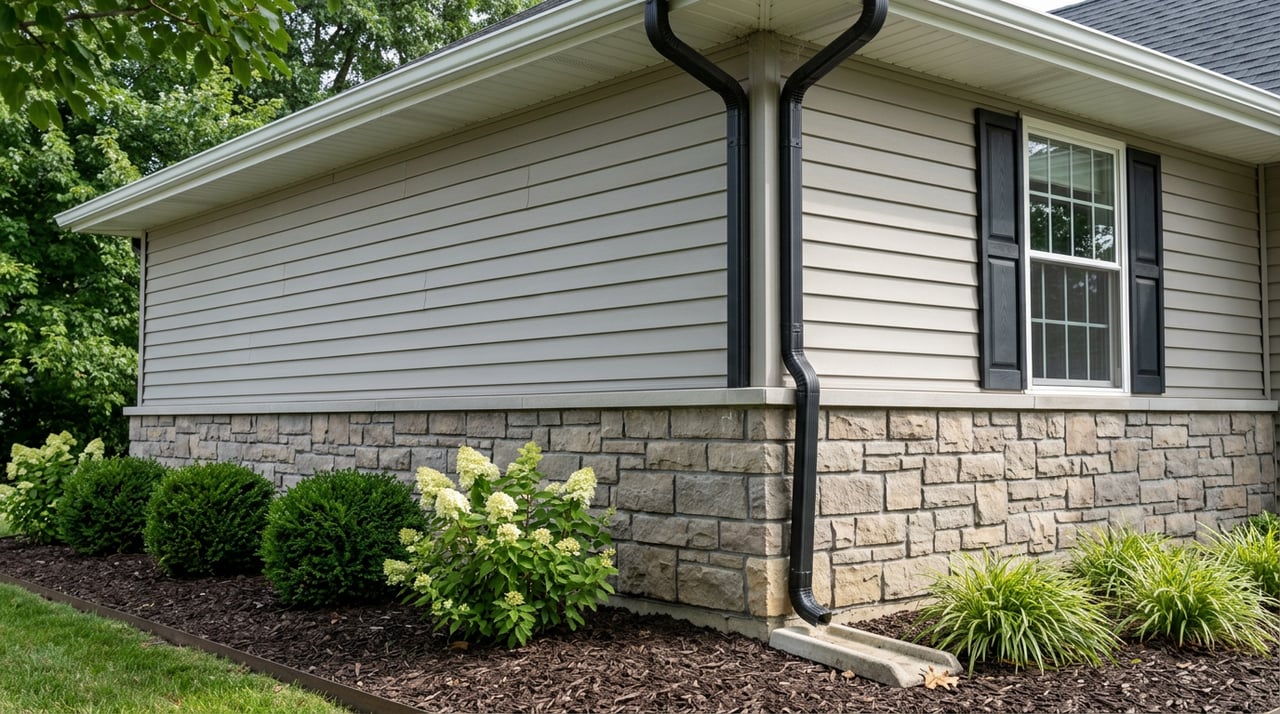
- Refreshing mulch, trimming shrubs, and tidying the front entry
These projects are usually more about polish than reinvention. Done together, they can make your home feel more cared for in photos and in person.
Boost curb appeal for photos and showings
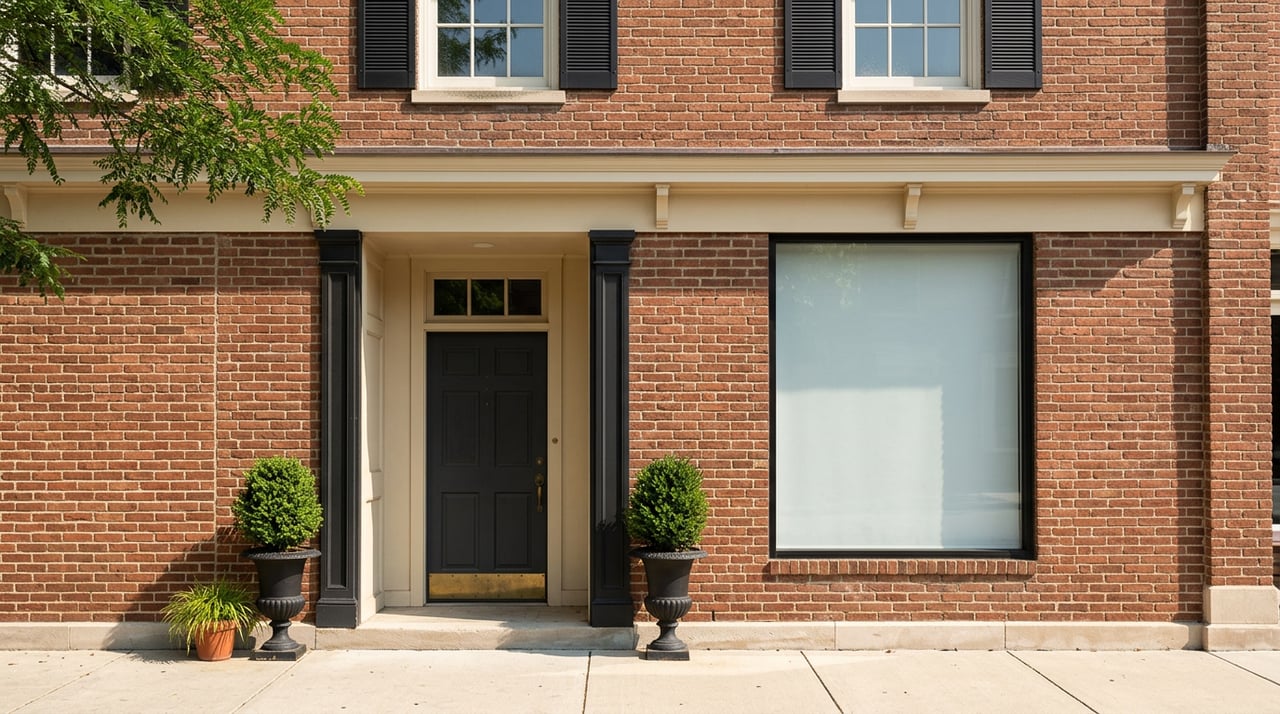
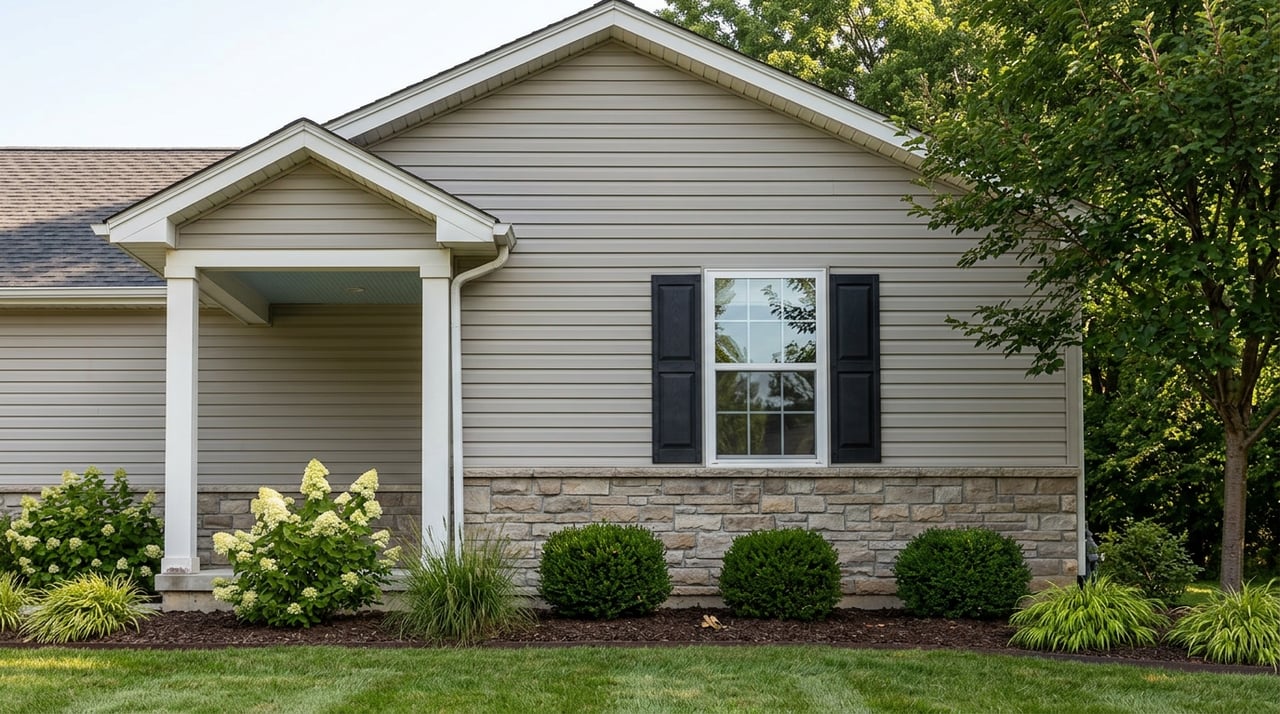
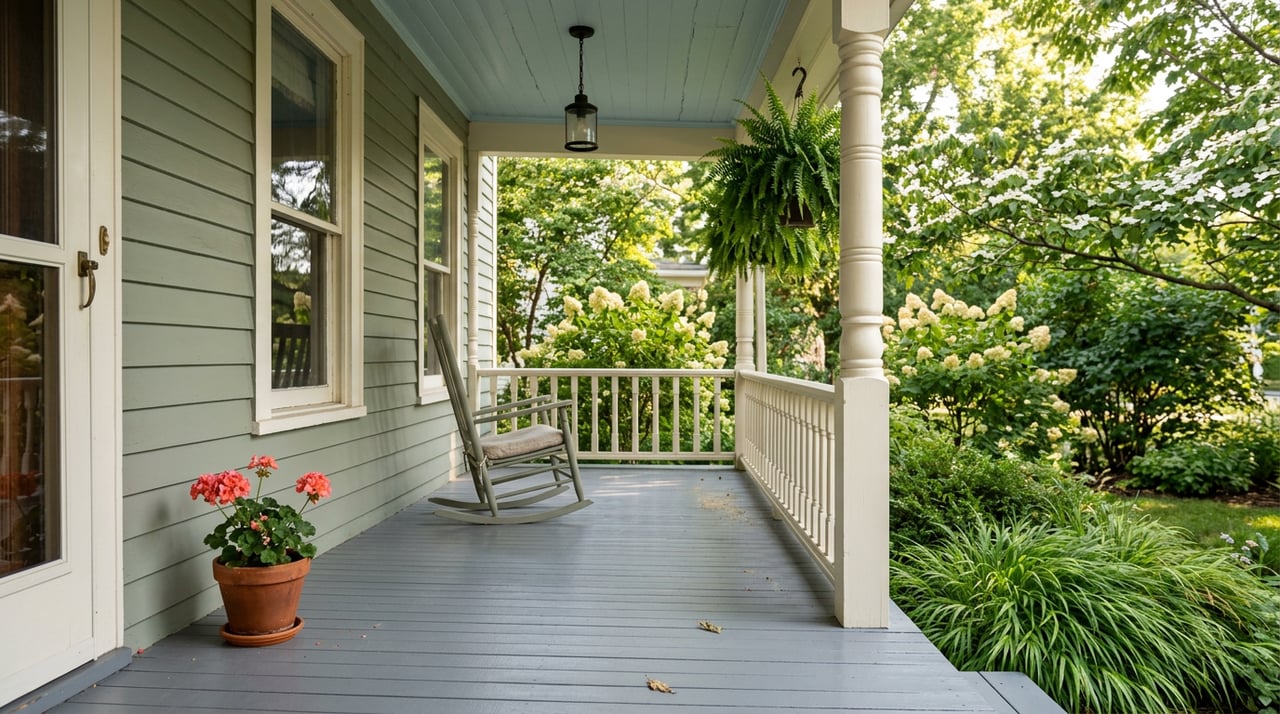
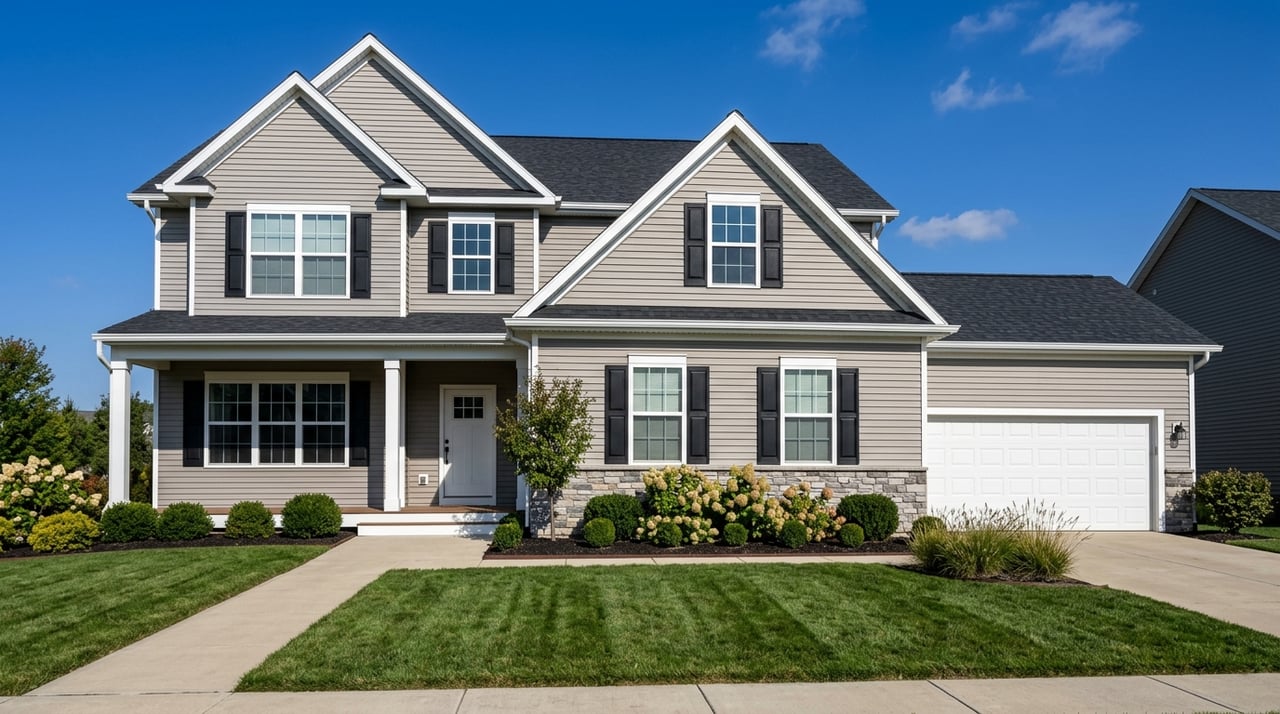
Curb appeal matters twice: once when buyers scroll online, and again when they pull up to the house. Zillow notes that first impressions often begin from the street, and today that first look is often a front exterior photo on a listing page. If your home does not look welcoming from the outside, some buyers may never book a showing.
Start by making the exterior feel clean and simple. Mow the lawn, sweep walkways, clean up landscaping, and remove anything that distracts from the house itself. Your goal is not to create a magazine spread. It is to make buyers feel confident before they even walk in.
Exterior checklist before listing photos
Use this quick review before your photographer arrives:
- Park cars away from the front of the home
- Put away bins, hoses, toys, and tools
- Sweep the porch, steps, and sidewalk
- Trim overgrown bushes or branches
- Clean the front door and visible windows
- Add a neat doormat or a simple seasonal planter if appropriate
In a market where relocation buyers may compare homes online before visiting, these details matter more than you might think.
Stage the rooms that matter most
Staging does not have to mean furnishing every inch of the house. The stronger strategy is selective staging. According to the National Association of Realtors' 2025 Profile of Home Staging, 83% of buyers' agents said staging made it easier for buyers to visualize a home as a future residence, and the rooms that mattered most were the living room, primary bedroom, and kitchen.
That same report also found that photos mattered to 88% of agents, while videos and traditional staging were also seen as important tools. In other words, your home needs to look good where buyers pay the most attention and where the camera spends the most time.
Prioritize these spaces first
If you are short on time or budget, focus your energy on:
- Living room: Make it feel open, bright, and easy to use.
- Primary bedroom: Keep bedding simple and surfaces uncluttered.
- Kitchen: Clear counters, minimize small appliances, and clean every visible finish.
- Dining area: Even a simple setup can help define the space.
Guest rooms, closets, and lower-traffic areas still matter, but they do not need the same level of styling. Keep them tidy, spacious, and clean.
Declutter with your move in mind
One of the easiest ways to get your home market-ready is to start packing early. Decluttering helps rooms look larger, creates calmer listing photos, and gives buyers a better sense of the home's layout. It also makes your eventual move less stressful.
Try to remove excess furniture, personal collections, and anything that makes a room feel crowded. You want buyers to notice the space itself, not the number of items in it. This is especially important if your home is appealing to both local move-up buyers and out-of-area shoppers trying to compare listings quickly online.
What to pack before you list
A good early packing list includes:
- Off-season clothing
- Extra toys and hobby items
- Family photos and highly personal decor
- Overflow kitchen items
- Rarely used small furniture
- Extra linens and storage bin clutter
Think of it as pre-moving, not just cleaning. The less visual noise buyers see, the easier it is for them to imagine their own life in the home.
Price and prep should work together
In a fast-moving market, some sellers assume the home will sell no matter what. That can be risky. Allentown may show signs of both a balanced and competitive market depending on the source and time frame, which means buyers are active but still paying attention to value.
A well-prepared home supports your pricing strategy. If you list at a price that reflects neighborhood conditions and present the home in a polished way, you give buyers fewer reasons to negotiate downward. This matters even more because pricing can vary a lot across Allentown neighborhoods, from higher median list prices in West End to lower ones in Center City and 8th Ward.
Start earlier than you think
The actual time your home spends on the market is only one part of the selling timeline. In Allentown, homes may move in about 17 to 23 days on market based on recent reports, but the preparation phase often takes much longer. Zillow notes that many sellers think about selling for three to four months before listing, then need added time for repairs, cleaning, staging, and photography.
That is why the best time to prepare is usually before you feel fully ready. If spring is your target listing season, and April is often seen as a strong selling window nationally, you will likely benefit from beginning your prep work weeks or even months ahead. The smoother your launch, the better chance you have to hit the market with confidence.
A simple Allentown seller game plan
If you want a practical order of operations, keep it simple:
- Fix major defects and inspection risks.
- Handle light cosmetic improvements.
- Declutter and pre-pack nonessentials.
- Clean deeply inside and out.
- Stage key rooms for photos and showings.
- Review neighborhood-sensitive pricing strategy.
- List when the home is truly ready.
This kind of step-by-step prep can help you avoid rushed decisions and present your home at its best from day one.
Selling in Allentown can move quickly, but the homes that make the strongest impression are usually the ones that feel cared for, well-presented, and properly positioned for their neighborhood. If you want thoughtful guidance on how to prepare, price, and market your home with a personal, hands-on approach, Cass Chies is here to help.
FAQs
What should I fix first before selling a home in Allentown?
- Start with leaks, nonworking built-in appliances, pest issues, safety concerns, and problems involving major systems, since these are the issues most likely to affect buyer confidence or inspection results.
Is staging worth it for an Allentown home sale?
- Yes. Staging is especially helpful in the living room, primary bedroom, kitchen, and dining area because those are the spaces buyers and agents tend to focus on most.
How long does it take to sell a home in Allentown?
- Recent market data suggests homes can go under contract in roughly 17 to 23 days on market, but your full selling timeline will be longer once preparation, negotiations, and closing are included.
When is the best time to list a home in Allentown?
- Spring is often the strongest season, and April is commonly a strong target window, but your ideal timing should also reflect current local market conditions and how ready your home is to launch.
Do I need to renovate my Allentown home before listing?
- Not usually. Most sellers benefit more from fixing major issues, making simple cosmetic updates, improving curb appeal, and staging the most important rooms than from taking on large, highly personalized renovations.