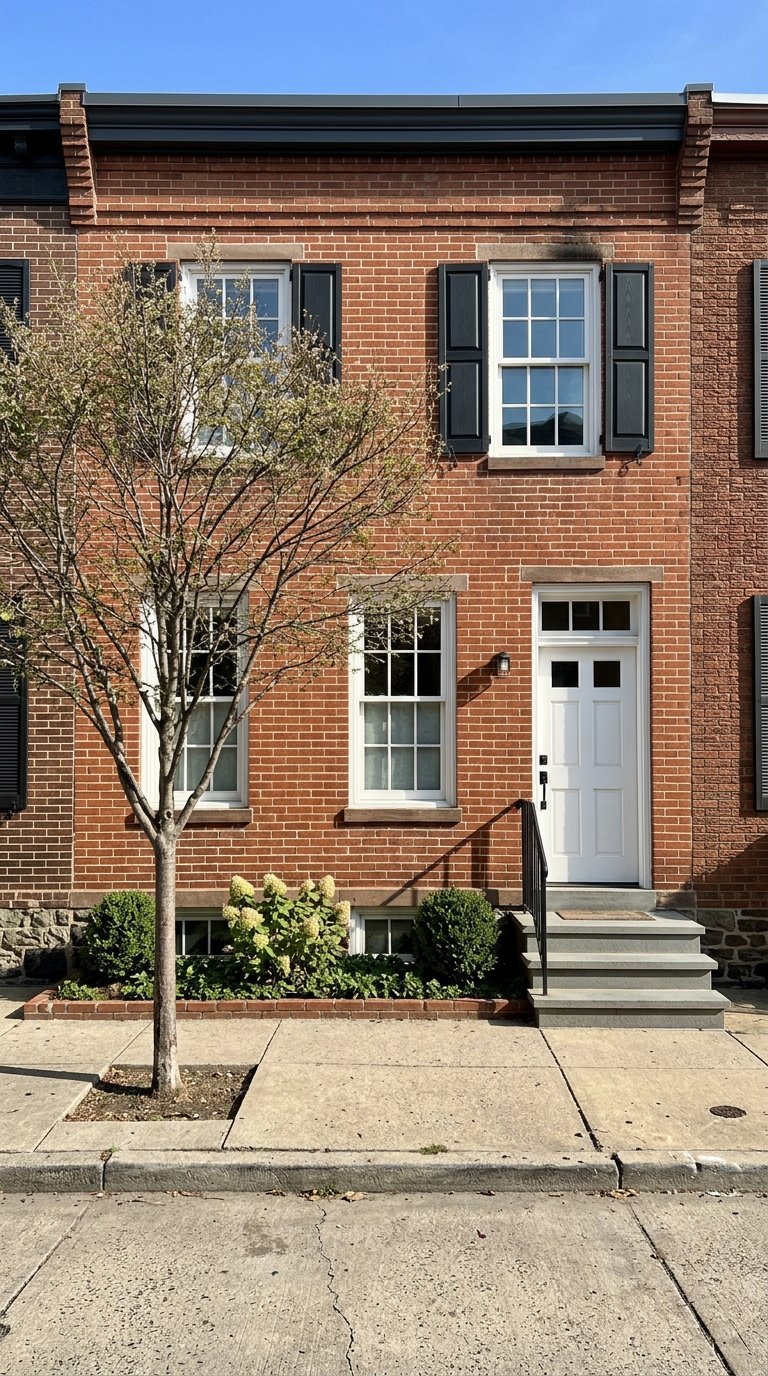
If you want a neighborhood with visible history, everyday convenience, and a city feel that stays active beyond the workday, Allentown’s historic core deserves a closer look. This part of the city blends older architecture, apartment and condo living, public spaces, and downtown culture in a way that feels practical for real life. Whether you are thinking about renting, buying, or simply learning the area, this guide will help you picture what day-to-day living can look like here. Let’s dive in.
What defines Allentown’s historic core
Allentown is Pennsylvania’s third-largest city, and its historic core reflects that long history in a very visible way. Center Square at 7th and Hamilton is the historic center of downtown, and the nearby Old Allentown Historic District traces back to William Allen’s 1762 plan for Northampton Town.
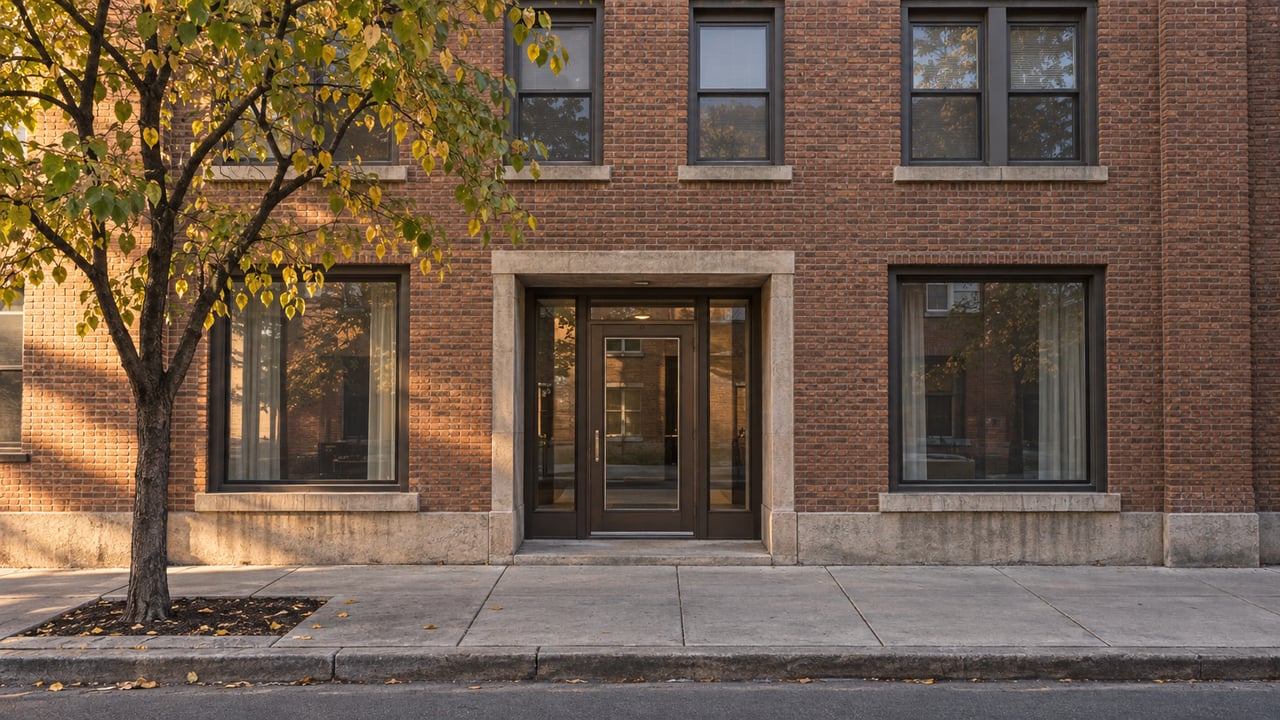
As you move through the area, you see that history in the building styles. The city identifies Federal, Italianate, Eastlake, and Victorian homes within the historic district, which gives the area a layered streetscape rather than a one-style look.
The city has also digitized more than 2,000 property records across the Old Fairgrounds, Old Allentown, and West Park historic districts. That ongoing preservation work supports a downtown environment where historic character still matters in the present, not just in the past.
Historic rules shape the look
If you are considering a property in one of the historic districts, exterior changes may be shaped by local preservation review. The city’s preservation program and HARB review process help guide how historic features are handled.
For you as a buyer or owner, that can mean a little more diligence before making exterior updates. It also helps explain why many streets in the core maintain a more consistent historic appearance over time.
Housing options in the core
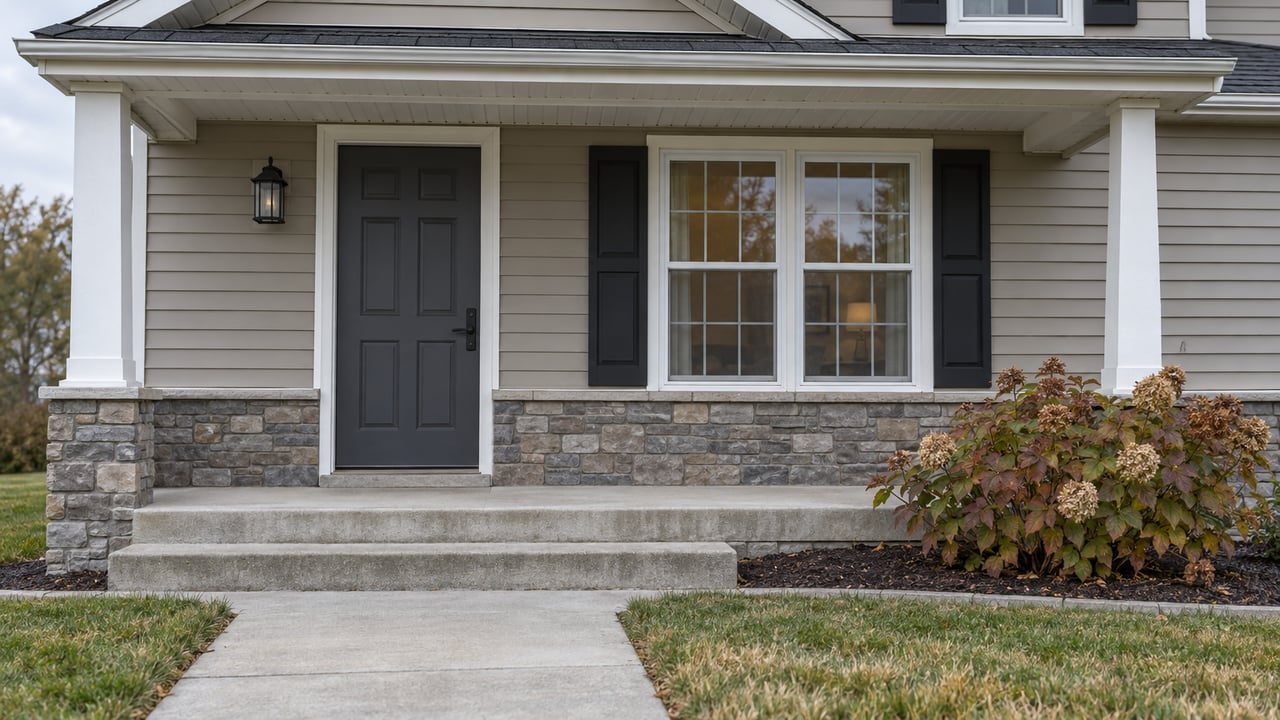
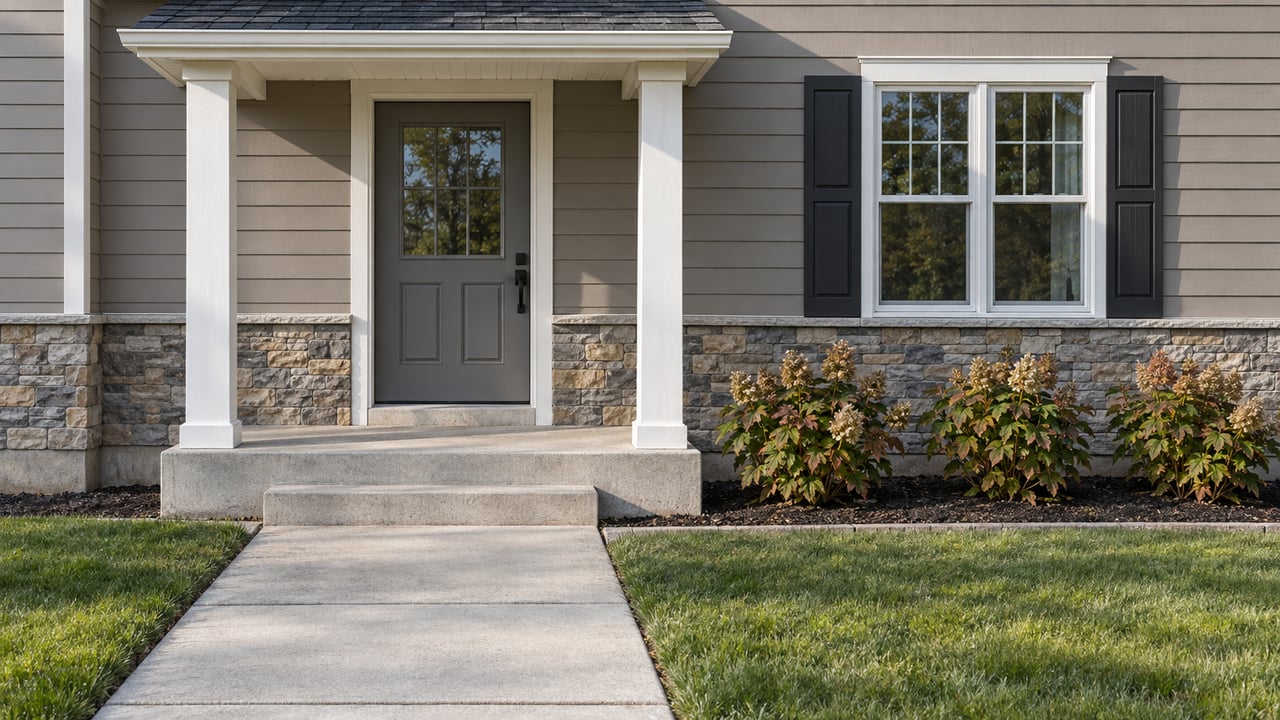
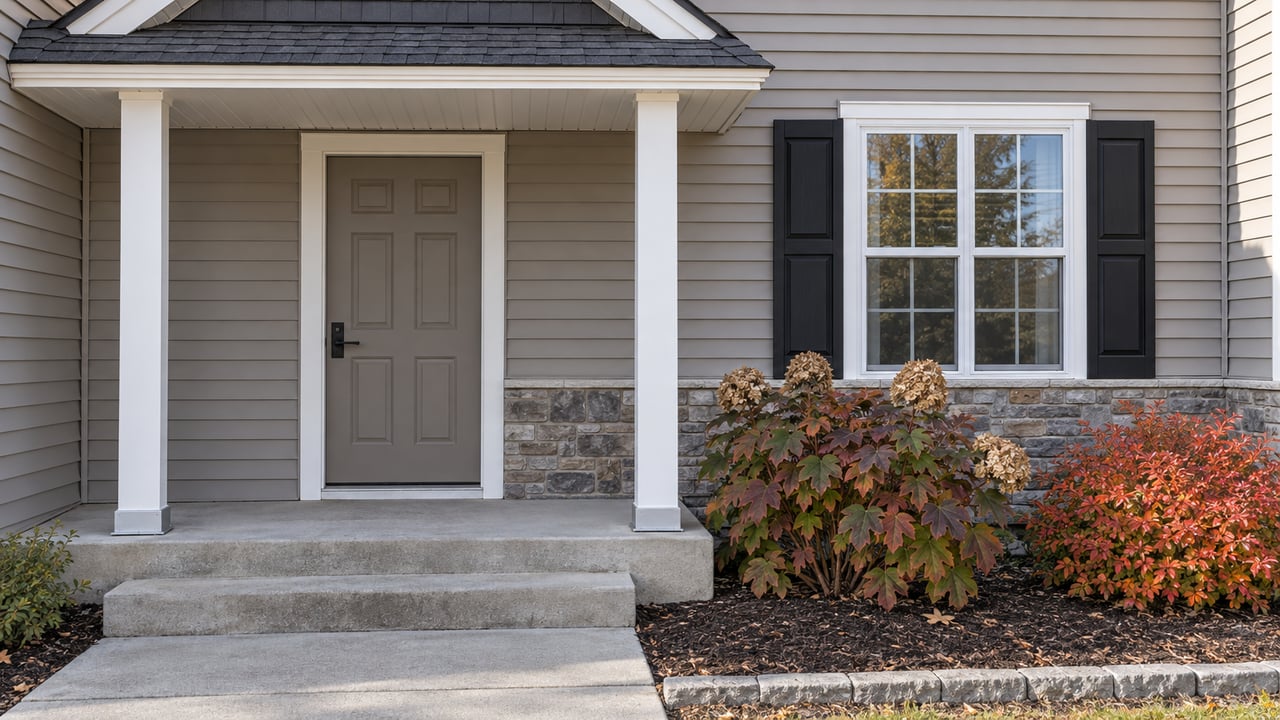
One of the biggest strengths of Allentown’s historic core is variety. You are not looking at a single type of housing here. Instead, the area combines preserved older attached homes with newer infill and multifamily buildings.
Downtown live inventory includes condos, apartments, and loft-style communities along Hamilton, Walnut, 6th, and 7th streets. Current examples include The Hamilton at Grand Plaza, 1010 Apartments, CityPlace, 520 Lofts, STRATA West, The Hive Residences, Walnut View at Cityplace, STRATA Symphony, and Center Square Lofts East and West.
That mix gives you options depending on your stage of life and goals. You might prefer a historic attached home with architectural detail, or you may want a more lock-and-leave condo or apartment close to downtown amenities.
What citywide housing data suggests
Allentown’s housing profile helps explain why the core feels more urban than many nearby communities. From 2020 to 2024, the city’s owner-occupied housing rate was 43.2%, compared with 69.3% statewide in Pennsylvania.
The city’s median owner-occupied home value was $206,600, while median gross rent was $1,317. Compared with Pennsylvania overall, the data points to a city that is more renter-heavy and more multifamily-oriented, which lines up with what you see in and around the historic core.
Parks and outdoor routines
Living in a downtown setting does not mean giving up access to green space. Allentown says its park system spans more than 2,000 acres and 35 parks, and several of the city’s best-known public spaces are tied closely to life in and around the core.
Residents most often cite Cedar Beach, Lehigh Parkway, West Park, and Arts Park in the city’s open-space survey. Arts Park is a small park across from the Allentown Art Museum, which makes it a natural part of downtown routines rather than a separate destination.
Bucky Boyle Park is a 9-acre riverfront park and one of the city’s most visited parks. West Park also remains a major local landmark and hosts the long-running Art in the Park event.
Everyday recreation feels local
The city supports park use with recurring programming, not just one-off events. Monday Funday runs from May through October, and the city also offers a free Summer Playground Program along with three pools and three spray parks.
For you, that means recreation is spread across the city in a way that supports everyday use. Instead of depending on one large park, you have neighborhood-scale amenities and seasonal programs that can fit into your normal routine.
Walkability and shade are still improving
Allentown’s current parks and forestry plans focus on street-tree inventory, an Urban Forestry Master Plan, and trail and greenway connections. Those efforts support a core that is still becoming more connected, shaded, and comfortable to move through on foot.
That matters when you are evaluating daily lifestyle, not just a map. Small details like tree cover, park access, and easier links between public spaces can shape how a neighborhood feels over time.
Arts and culture in daily life
One reason the historic core stands out is that its cultural anchors are actually in the neighborhood. The Baum School of Art is downtown on Linden Street, and the Allentown Art Museum is on North Fifth Street.
The city has also highlighted the restored Union Terrace Amphitheater and its partnership with ArtsQuest for concerts and cultural programming. These are not fringe attractions. They are part of the rhythm of downtown life.
Monthly and seasonal events add energy
The Allentown Art Museum’s Third Thursday programming includes monthly gallery tours, artist receptions, live music, and retail and restaurant tie-ins. That kind of recurring event can make downtown feel active in a reliable, familiar way.
Seasonal programming adds to that energy. Downtown event calendars have included activities like Taco Fest and Blues, Brews & Barbecue, helping create a street scene that feels social and lived-in.
Dining and going out
If you enjoy having options close by, downtown Allentown offers a broad dining mix. Regional listings point to choices that include a cafe, seafood house, modern Italian restaurant, Japanese izakaya, and Cuban cafe.
That variety supports different kinds of routines. You may be grabbing coffee, meeting friends after work, or heading out for a more formal dinner without needing to leave the area.
For many buyers and renters, this is part of the appeal of the core. It offers convenience, but it also adds texture to daily life.
Getting around from downtown
Transportation is another practical advantage. Downtown Allentown is organized around the Allentown Transportation Center, which connects riders to Bethlehem, Easton, Emmaus, Whitehall, Trexlertown, South Mountain, and LVIA through LANTA service.
The transportation center also includes intercity carriers such as FlixBus, Greyhound, Martz, and Trans-Bridge Lines. If you value regional mobility, that kind of access can be a meaningful plus.
Downtown Allentown’s transportation resources also note that parking, EV charging, and nearby bus information are easy to find. Citywide, the mean commute time to work was 24.6 minutes from 2020 to 2024, which helps frame how Allentown functions as a working city, not just a visitor destination.
Who might enjoy living here
Allentown’s historic core can appeal to several kinds of residents because it offers more than one lifestyle lane. Some people are drawn to historic architecture and older attached homes, while others want apartment, loft, or condo living close to downtown activity.
You may also appreciate the area if you want access to arts and events without needing to plan your whole week around driving. The same goes for people who want parks, public transportation connections, and a wider mix of housing than they may find in more suburban settings.
Things to think through before you move
As with any urban historic area, it helps to match the neighborhood to your priorities. If you are considering a historic property, make sure you understand how preservation review may affect exterior changes.
It is also smart to think about the type of home that fits your routine best. In this part of Allentown, your options can range from older attached housing to newer multifamily buildings, so your ideal setup may depend on maintenance preferences, commute needs, and how close you want to be to downtown activity.
Why local guidance matters
A neighborhood like Allentown’s historic core has more nuance than a quick online search can show. Block patterns, housing types, historic-district considerations, and lifestyle fit all matter when you are deciding where to live or what kind of property to pursue.
That is where working with a responsive local real estate professional can make the process feel much clearer. Whether you are buying your first home, exploring a move, or comparing rental and ownership options, strong guidance helps you ask better questions and move with confidence.
If you are thinking about a move in Allentown or elsewhere in the Lehigh Valley, Cass Chies offers the kind of personalized, relationship-first support that can help you make sense of your options and take the next step.
FAQs
What is the historic center of downtown Allentown?
- Center Square at 7th and Hamilton is identified as the historic center of downtown Allentown.
What housing types are available in Allentown’s historic core?
- The area includes older attached homes in historic districts along with condos, apartments, and loft-style buildings in downtown locations.
Are there historic-district rules in Old Allentown?
- Yes. The city’s preservation program and HARB review shape how exterior changes are handled in historic areas.
What parks are near downtown Allentown?
- Notable parks connected to life in and around the core include Arts Park, West Park, Bucky Boyle Park, Cedar Beach, and Lehigh Parkway.
Is downtown Allentown connected by public transit?
- Yes. The Allentown Transportation Center provides LANTA service to several Lehigh Valley destinations and also includes intercity bus carriers.
What makes everyday living in Allentown’s historic core appealing?
- Many residents are drawn to the combination of historic character, varied housing choices, parks, arts institutions, dining options, and transportation access.